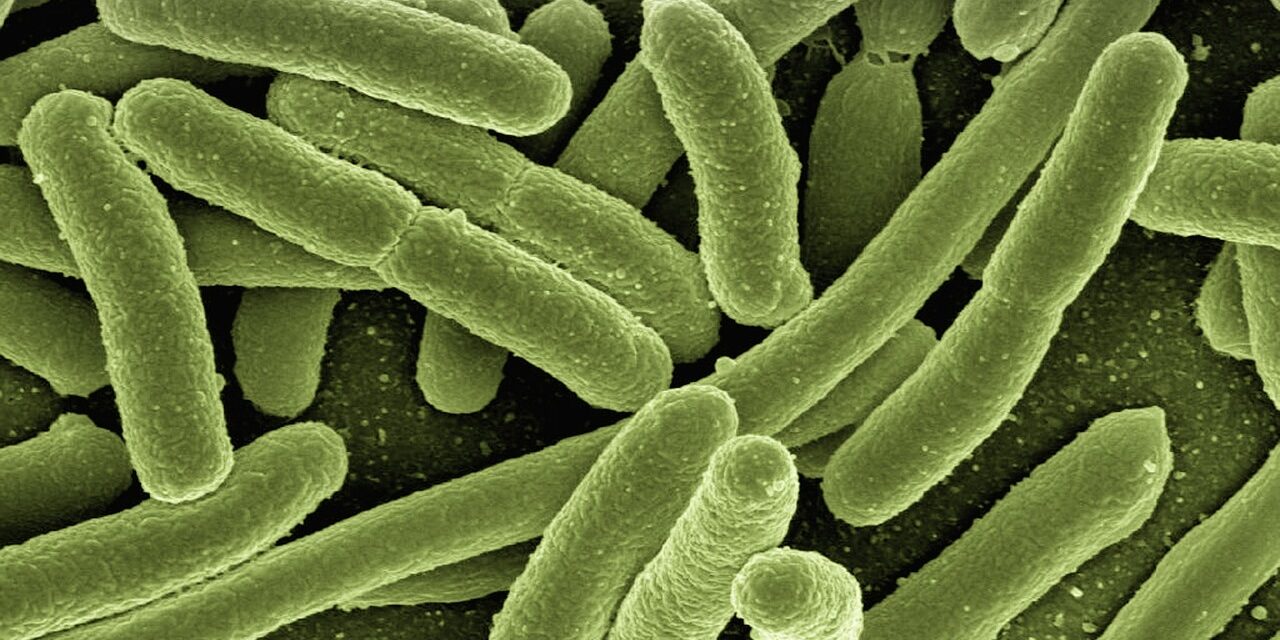
Researchers have recently unveiled a groundbreaking method to prevent gum disease, one of the most prevalent oral health issues, without disrupting the balance of beneficial bacteria in the mouth. This development has garnered attention for its potential to reshape oral healthcare practices and improve patient outcomes.
Key details
The research, led by a team at the University of California, San Diego, focuses on utilizing a specific peptide derived from the human body to fortify the mouth’s defense against pathogenic bacteria associated with gum disease. Unlike traditional treatments, which often involve antibiotics that indiscriminately kill both harmful and beneficial bacteria, this novel approach selectively targets only the harmful strains.
The peptide works by enhancing the immune response in the oral cavity, thus lowering inflammation and promoting the retention of healthy bacteria that are vital for a balanced oral microbiome. Preliminary trials conducted on animal models have shown promising results, with significantly reduced signs of gum disease and no adverse effects on good bacteria.
Why this matters
Gum disease affects nearly half of adults in the United States, leading to a host of systemic health issues including heart disease and diabetes. Conventional treatments often involve antibiotics, which can lead to antibiotic resistance over time and negatively impact the oral microbiome. This new method represents a shift towards a more sustainable and less disruptive treatment philosophy.
Furthermore, the implications of this research extend beyond just oral health. By maintaining a healthy balance of microflora, the approach could reduce the overall burden of antibiotic use, which is a growing concern among healthcare professionals worldwide. This could foster a new paradigm in the treatment of various infections, shifting the focus towards methods that enhance the body’s natural defenses rather than obliterating bacteria indiscriminately.
Broader picture
The discovery also adds to the growing body of research emphasizing the importance of the microbiome in overall health. As our understanding of human microbiota deepens, approaches like this could pave the way for novel treatments across numerous fields, from dermatology to gastrointestinal disorders.
While further clinical trials are necessary to validate the effectiveness and safety of this method in humans, the initial findings provide a hopeful glimpse at a future where gum disease prevention is both effective and respectful of the body’s complex ecosystem. As the dental community grapples with the challenges of antibiotic resistance, this research could help reshape strategies used in dentistry, emphasizing preservation over eradication.
In conclusion, this innovative approach to preventing gum disease without harming beneficial bacteria exemplifies a significant leap forward in oral health research. As researchers continue to explore this line of inquiry, the ripple effects could enhance our understanding of microbial health, potentially leading to broader applications in medicine. The development underscores the vital balance between combating pathogens and safeguarding beneficial organisms, a balance that may define the future of medical treatments.
Original Source: https://www.sciencedaily.com/releases/2026/05/260508024125.htm