Key details
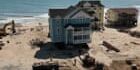
Recent assessments reveal that dozens of homes along North Carolina’s picturesque coastline have been claimed by rising sea levels and severe coastal erosion. As a response, some of the surviving properties are now undergoing relocation onto wheeled platforms, allowing them to be transported to safer inland locations. This shift highlights the mounting challenges coastal communities face due to climate change and its tangible effects on their environments.
Why this matters
The loss of homes to the sea is more than a stark illustration of environmental change; it underlines the precariousness of coastal living in an era increasingly marked by climate instability. Property owners are left grappling with emotional and financial burdens as their investments wash away. Furthermore, as these surviving homes are adapted for movement, a nuanced set of legal and logistical challenges emerges. Local governments must navigate zoning laws and building codes as they confront a growing exodus from vulnerable areas.
Broader picture
This situation underscores wider implications for coastal communities and policymakers alike. The shift from static housing to mobile homes could signal a significant change in urban planning strategies. As some areas become unsustainable for permanent residence, the concept of relocation may gain traction as a viable solution. This metamorphosis compels stakeholders to reevaluate not only housing policies but also emergency preparedness strategies for future storms and flooding events.
Ultimately, the plight of North Carolina’s coastal residences serves as a cautionary tale for other regions facing similar threats. As climate change continues to intensify, communities nationwide will need to decide whether to adapt, retreat, or find innovative solutions to safeguard both their homes and livelihoods.
Original Source: https://www.theguardian.com/us-news/ng-interactive/2026/apr/29/north-carolina-outer-banks-homes