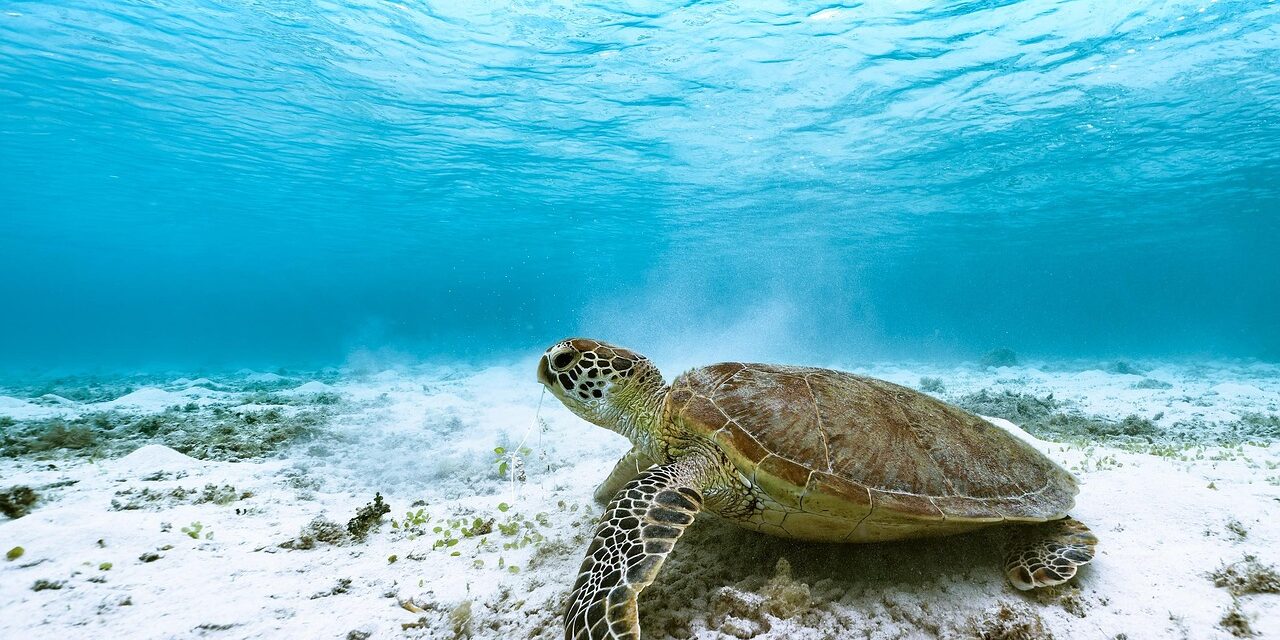
The marine environment is undergoing a distinctive transformation during the latest marine heatwave in a seasonally stratified shelf sea, characterized by unprecedented fluctuations in chlorophyll levels. This phenomenon has drawn the attention of oceanographers and environmentalists alike, as they aim to understand the implications of heatwaves on marine ecosystems.
The latest turn
Recent satellite data has indicated a sharp increase in chlorophyll concentrations in affected areas, particularly along the continental shelf. These spikes are attributed to the heatwave, prompting a notable plankton bloom that has altered the typical dynamics of primary production in the region. Scientists are actively monitoring these changes, as elevated chlorophyll levels can lead to cascading effects throughout the marine food web, including shifts in fish populations and other marine species.
This heatwave, which has persisted over the last several weeks, has resulted in surface temperatures considerably above the seasonal average. Such warmth can intensify stratification in the water column, leading to reduced nutrient mixing and creating an environment that favors certain phytoplankton species over others. This raises questions about the ecological balance and resilience of the marine ecosystem.
How the story got here
The relationship between climate change and marine heatwaves has gained prominence in recent studies, with evidence suggesting that such extreme events may become more frequent and intense. Previous marine heatwaves have been linked to shifts in chlorophyll concentrations, but this current event stands out due to its timing and intensity.
Seasonally stratified shelf seas are particularly vulnerable to these changes, as they undergo regular cycles of warming and cooling that influence marine productivity. However, the unusual heat levels experienced this season have exceeded historical benchmarks, capturing the interest of researchers who are keen to document the long-term trends associated with such extremes.
Ongoing research efforts are being coordinated between institutions worldwide, using a combination of satellite imagery and in-situ data collection to analyze the current chlorophyll dynamics. Early findings suggest that certain species of phytoplankton are capitalizing on the warmer waters, potentially outcompeting others for resources, which could have implications for local fish stocks and biodiversity.
Next expected developments
As scientists continue to analyze the data, they anticipate the next key milestone will involve assessing the long-term impacts of these chlorophyll extremes. Future studies will likely focus on the effects on higher trophic levels, including the potential shifts in fish populations that depend on these primary producers for survival.
Simultaneously, tracking the duration and intensity of the heatwave will be crucial for understanding broader climate patterns. Researchers will seek to establish correlations between these marine heatwaves and global climate models, contributing to a more comprehensive understanding of how ongoing climate change may influence marine ecosystems in the long term.
With the marine heatwave still ongoing, the coming weeks will be pivotal for both immediate ecological outcomes and long-term research directions, as scientists strive to uncover the full implications of these extraordinary chlorophyll fluctuations.
Original Source: https://www.nature.com/articles/s43247-026-04118-2