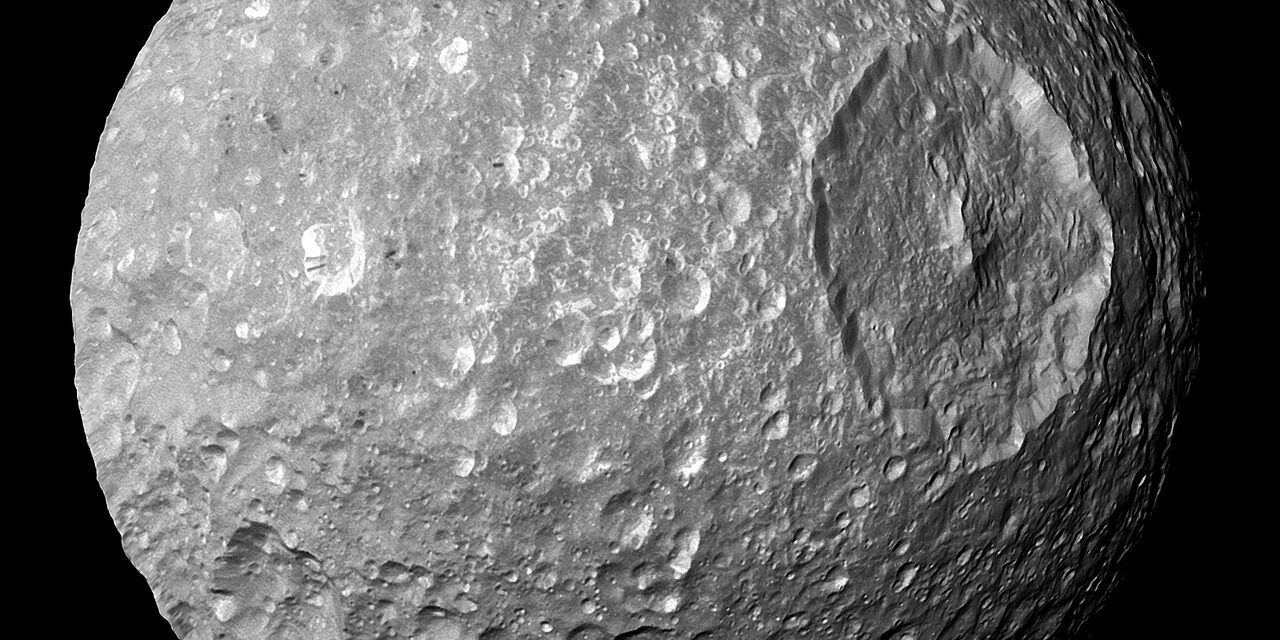
The latest research on ice plumes erupting from Saturn’s moon Enceladus has unveiled surprising new characteristics that defy previous scientific assumptions. Recent data gathered by NASA’s Cassini spacecraft, which studied the moon during its mission from 2004 to 2017, has prompted scientists to revise their understanding of the chemical composition of these icy eruptions. Not only do these plumes contain water vapor and ice crystals as expected, but they also appear to be rich in organic molecules and salts, hinting at more complex processes occurring beneath Enceladus’ surface.
What happened
Enceladus, one of the solar system’s most intriguing moons, has fascinated scientists due to its geysers that shoot icy jets into space. Observations from the Cassini spacecraft revealed intricate details about these plumes, which have been shown to originate from a subsurface ocean. Researchers thought that the main constituents of the jets were relatively simple; however, new analysis has shown elevated levels of organic compounds such as hydrocarbons. This discovery expands the molecular diversity within these plumes and suggests active geophysical processes that are not yet fully understood.
This revelation emerged during a recent conference where scientists presented findings from the reanalysis of Cassini data. The presence of salts, such as magnesium sulfate, was also detected in the icy jets, indicating interactions between the subsurface ocean and the moon’s rocky core. These findings raise significant questions about the moon’s habitability and the processes driving these fascinating geysers.
Why it matters
The implications of these discoveries are vast. Enceladus is regarded as one of the prime candidates in the search for extraterrestrial life within our solar system, mainly due to its subsurface ocean, which could potentially harbor life. The enhanced chemical complexity in the ice plumes suggests that there may be energy sources and chemistry suitable for sustaining life, potentially akin to hydrothermal vents found on Earth.
Moreover, understanding the geology and chemistry of Enceladus adds layers to our knowledge about the formation processes of celestial bodies. The behaviors of icy moons like Enceladus could also lend insights into the broader dynamics within the Saturnian system and beyond, supporting hypotheses about the evolution of other icy worlds, including those orbiting exoplanets.
What comes next
As scientists delve deeper into the implications of these findings, future missions are likely to focus on gaining a better understanding of Enceladus and its mysterious phenomena. The data gathered by Cassini will continue to be analyzed, while potential missions such as the proposed Enceladus Orbilander could provide more in-depth exploration of the moon’s ocean and geology.
In the immediate outlook, researchers are eager to explore the lasting questions surrounding the mechanisms behind the ice plumes and their chemical properties. Enhanced observational missions, possibly equipped with advanced spectrometers, will be vital in seeking out further evidence of life-supporting conditions and comprehending this enigmatic moon’s role in the Saturnian ecosystem. As discoveries continue to unfold, scientists remain vigilant in their quest to unlock the mysteries of Enceladus.
Original Source: https://www.sciencedaily.com/releases/2026/09/260929053528.htm