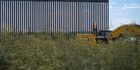
The Trump administration has announced a renewed commitment to constructing the contentious Big Bend border wall in Texas, despite significant pushback from various stakeholders including environmental groups, local communities, and human rights advocates. This decision marks a pivotal moment in the ongoing debate over immigration policy and border security.
Key details
Construction of the Big Bend border wall, which aims to fortify a 30-mile stretch along the U.S.-Mexico border, is set to push forward following the allocation of federal funds. The project, which began earlier in the administration’s term, has faced delays and controversies due to legal challenges and environmental concerns. Recent statements from officials within the administration reaffirm a strong commitment to completing the wall, citing the need for enhanced border security amidst ongoing debates about immigration enforcement on a national scale.
Why this matters
The implications of advancing the Big Bend border wall extend beyond physical infrastructure. Proponents argue that it is a necessary measure for national security, potentially deterring illegal immigration and drug trafficking. However, opponents contend that the wall poses serious ecological risks, threatening biodiversity in an area known for its unique and vulnerable ecosystems. Moreover, local communities worry about the wall’s social impact, which could disrupt neighborhoods and alter long-standing cultural ties across the border.
Environmental assessments have indicated that the construction could disrupt wildlife habitats and lead to increased flooding in certain areas due to altered water drainage patterns. Additionally, the project has reignited discussions around the humanitarian aspect of immigration, as critics highlight the wall’s potential to further marginalize vulnerable populations seeking asylum or better opportunities in the U.S.
Broader picture
As the Big Bend border wall project unfolds, it serves as a microcosm of the larger national conversation surrounding immigration and border security. The Trump administration’s effort to solidify a physical barrier reflects a broader political narrative emphasizing strict immigration control. However, this approach has drawn criticism not only from environmentalists but also from segments of the public who advocate for comprehensive immigration reform that considers humanitarian and economic factors.
The continued construction of the Big Bend border wall is indicative of the administration’s prioritization of visible, tangible security measures over softer, more nuanced approaches to immigration policy. It raises questions about the long-term sustainability of such initiatives. While border security remains a top priority for many, the broader implications for the environment, local communities, and international relations cannot be overlooked.
As developments unfold, the future of the Big Bend border wall will likely remain a contentious issue, encapsulating the ongoing struggles over immigration policy in America. Observers will be keenly watching to see how this project influences regional dynamics and the broader political landscape as the country approaches a pivotal election cycle.
Original Source: https://www.theguardian.com/us-news/2026/sep/18/trump-administration-big-bend-border-wall-texas-construction