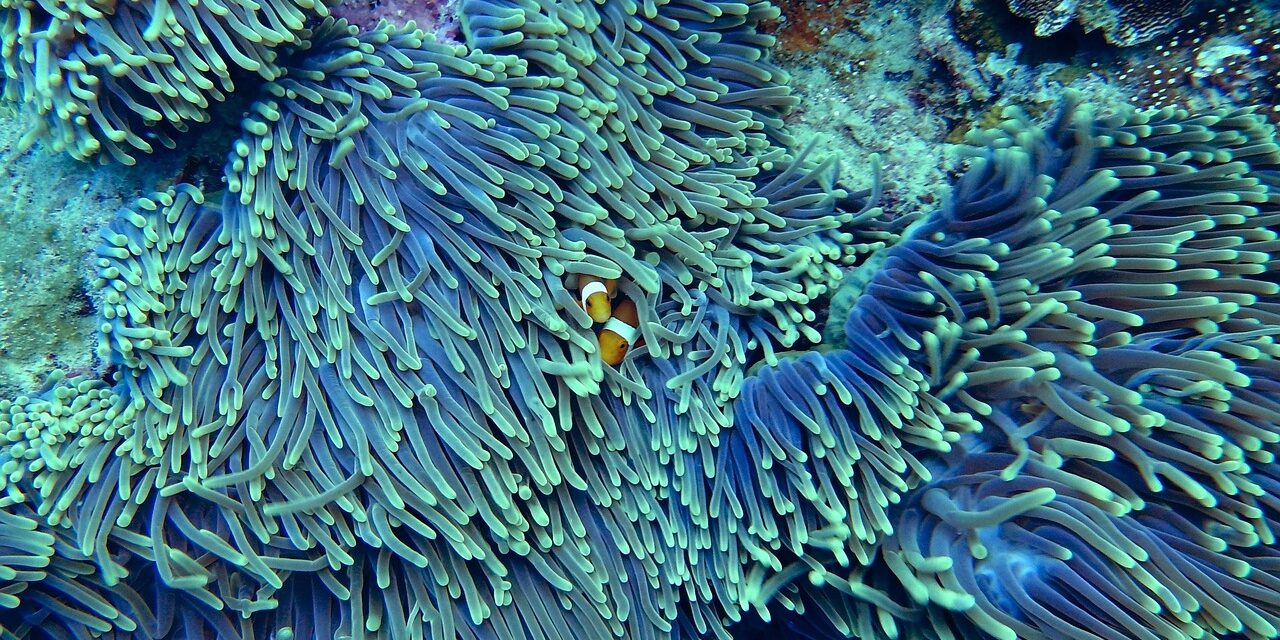
In a remarkable turn of events, researchers have found a coral reef long believed to be dead, now thriving with vibrant marine life. Located off the coast of a small island in the Pacific, this once-dormant ecosystem has captivated scientists and conservationists alike, raising hopes for coral restoration efforts worldwide.
What happened
For decades, the coral reef in question was declared dead due to factors such as climate change, pollution, and overfishing. Reports of its demise were widespread, reflecting a grim reality for coral ecosystems globally. However, a recent expedition using advanced underwater technology revealed a diverse collection of coral species and a bustling marine community, contradicting earlier assertions.
The discovery occurred during a routine survey by marine biologists investigating the effects of ongoing conservation efforts in the region. Using underwater drones and high-resolution imaging, teams were astonished to capture footage of a reef that appeared not only alive but thriving. This resurgence includes various species of fish, mollusks, and other marine organisms previously thought to have vanished from the area.
What it means for readers
The revitalization of this coral reef is a hopeful indicator of nature’s resilience. It also serves as a positive example for scientists and environmentalists striving to combat coral decline. The findings suggest that with the right interventions, degraded ecosystems can recover far faster than previously believed.
This news bears significant implications for coastal communities that rely on healthy coral reefs for their livelihoods, tourism, and marine biodiversity. The revival can enhance local fisheries, provide new opportunities for ecotourism, and improve coastal protection from storms, which is increasingly vital as climate change affects weather patterns globally.
The phenomenon also highlights the importance of ongoing marine conservation efforts. It emphasizes the need for communities and governments to continue dedicated work toward reducing pollution and climate change impacts, illustrating that all is not lost if proactive steps are taken.
What happens now
Looking ahead, researchers are keen on further studying this rejuvenated reef to understand the conditions that foster such a rapid recovery. By analyzing water quality, current depths, and the ecological interactions happening in this vibrant environment, scientists hope to uncover vital data that can inform future restoration projects globally.
Conservation groups are also prepared to leverage this newfound interest. Efforts to fund and promote coral restoration initiatives are expected to intensify, aimed at replicating similar recoveries in other areas suffering from coral degradation.
For readers interested in marine conservation, now is an opportune moment to engage in local environmental initiatives or advocate for policies aimed at protecting coastal ecosystems. This discovery serves as a reminder that while challenges are significant, solutions and hope persist in the natural world.
Original Source: https://www.sciencedaily.com/releases/2026/09/260913081927.htm