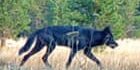
California wildlife officials have confirmed the rare sighting of a gray wolf in the Mendocino National Forest, marking a significant event for both the state’s biodiversity and conservation efforts. The sighting represents an important milestone in gray wolf population recovery in California, a species that has been largely absent from the state’s landscape for decades.
Key details
On October 10, 2023, wildlife researchers spotted the wolf during routine monitoring of the forest, which stretches over over 90,000 acres in Northern California. The California Department of Fish and Wildlife (CDFW) stated that initial analysis suggests the wolf is a young adult, likely dispersing from a known population in the northern Sierra Nevada region. This sighting coincides with other reports from neighboring states, indicating a potential trend of wolves reestablishing territories across the West Coast.
The confirmation involved multiple camera traps and eyewitness accounts by hikers in the area, further substantiating the evidence. The CDFW emphasized that exact locations and specific details would remain confidential to ensure the animal’s safety and reduce human-wildlife conflict. As interactions between people and wildlife can lead to detrimental outcomes, it is vital to manage these sightings with caution.
Why this matters
The presence of gray wolves in California has both practical and ecological implications. Historically, gray wolves played a critical role in maintaining the health of ecosystems by regulating prey populations, particularly deer and elk. Their interactions help preserve plant life and promote biodiversity. As apex predators, they are essential for the overall balance of the habitats they inhabit.
Moreover, the return of gray wolves to the region could signal a more extensive recovery effort for other endangered species. Many stakeholders, including conservationists and wildlife officials, argue that reclaiming this keystone species can lead to healthier, more resilient ecosystems. This sighting allows for increased public interest and awareness, potentially fostering greater support for continued conservation efforts.
Broader picture
While the sighting is encouraging, it also brings to light the complex dynamics of wildlife management in California. As gray wolves begin to establish themselves in the state, concerns regarding livestock predation and human-wildlife interactions are likely to surface, prompting a need for policies that balance ecological needs with agricultural interests.
California’s gray wolf recovery plan includes public education initiatives and stakeholder engagement to address these challenges. As more wolves establish territories, proactive efforts will be essential to mitigate conflicts. The success of this plan hinges on cooperation among landowners, conservationists, and government agencies tasked with managing both the wildlife and the public interest.
In conclusion, this rare gray wolf sighting in Mendocino National Forest offers a glimpse into the potential rebirth of a once-thriving species in California. It presents both opportunities and challenges for conservationists and policymakers as they navigate the complexities of cohabitation in a modern landscape. How the state responds will ultimately dictate the trajectory of gray wolf recovery efforts—an endeavor that could serve as a bellwether for the region’s broader ecological health.
Original Source: https://www.theguardian.com/us-news/2026/sep/08/california-gray-wolf-mendocino-national-forest