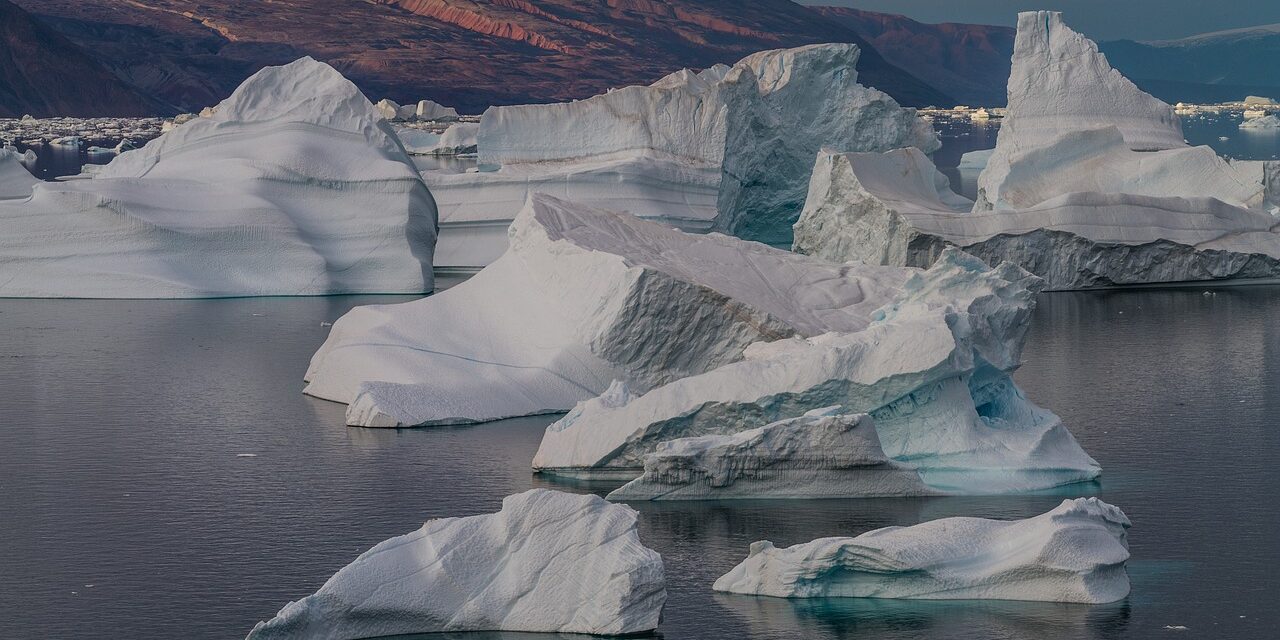
Recent research has unveiled a significant biological hotspot located at the boundary between glaciers and the ocean in South Greenland. The announcement has sparked a flurry of interest from environmental scientists, marine biologists, and climate activists, who see this finding as crucial to understanding climate change’s impact on marine ecosystems.
Immediate reaction
The scientific community has greeted the discovery with enthusiasm. Experts have highlighted that the region exhibits an unexpected abundance of marine life, including plankton, fish populations, and even larger predators that are typically not found in these glacial environments. Dr. Elena Martinez, an oceanographer involved in the study, asserted, “This is one of the most productive biological systems we’ve observed in glacial regions. The implications for climate studies are significant.”
Residents of surrounding communities have reacted positively as well, acknowledging that the findings could lead to sustainable fishing practices and tourism opportunities. Local businesses, particularly those involved in eco-tourism, see potential for growth by attracting visitors eager to witness unique wildlife. “We’re looking at a chance to position South Greenland as a premier destination for eco-conscious travelers,” remarked Lars Johansen, a local tour operator.
What triggered the move
This discovery stems from a combination of climate change effects and altered ocean currents. As glaciers recede due to warming temperatures, they release nutrients trapped within the ice into the surrounding waters, creating a fertile environment for marine life. Researchers have documented significant increases in phytoplankton, the foundational component of the marine food web, which in turn supports larger organisms.
This surge in productivity raises critical questions about the long-term viability of such ecosystems amidst ongoing climate change. The study’s lead author, Dr. Sarah Thompson, emphasized that “while current conditions are advantageous for marine life, we must remain cautious. The same processes driving this productivity can also lead to negative effects if melting accelerates beyond a critical threshold.”
Why readers should care
The implications of this discovery extend far beyond regional biodiversity. Understanding the dynamics of biological hotspots at glacier-ocean interfaces is vital for predicting how climate change will reshape marine ecosystems worldwide. Such research could inform global seafood supply chains, marine conservation policies, and climate adaptation strategies.
Moreover, the findings may influence industries dependent on marine resources, such as fishing and tourism. Sustainable practices could emerge from this knowledge, allowing both ecosystems and local economies to thrive. For enthusiasts, scientists, and policymakers alike, the developments in South Greenland symbolize a frontier for studying the intersections of climate change and marine biology.
In the short term, the spotlight on this biological hotspot is likely to enhance research funding and collaborative studies targeting glacial marine systems. More extensive investigations may yield further insights, potentially prompting robust conservation initiatives and sustainable economic practices. The glacier-ocean boundary in South Greenland could become a key focus for those seeking to reconcile human activity with environmental preservation.
Original Source: https://www.nature.com/articles/s43247-026-04003-y