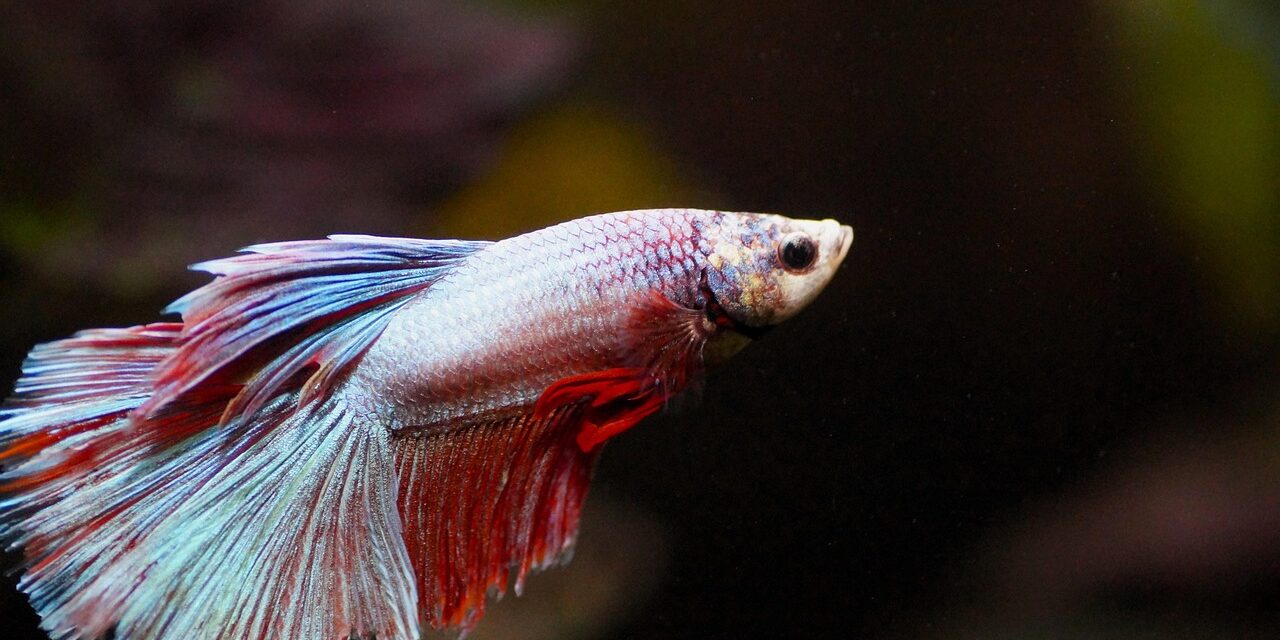
In recent weeks, aquarium enthusiasts have reported an uptick in the successful breeding of various egg-scattering fish species, including species like guppies and danios. This trend highlights not only the growth in interest in home aquariums but also the knowledge being shared within the community about breeding practices and care. As more hobbyists engage in this rewarding endeavor, understanding the nuances of breeding these fish becomes increasingly essential.
The latest turn
The rise in breeding successes can be attributed largely to improved educational resources available online, ranging from tutorial videos to detailed articles. Aquarists have begun to share their experiences and techniques through forums and social media, creating a collaborative environment where knowledge flows freely. Recent surveys indicate that novice aquarists are more confident and informed, leading to a surge in egg-laying activities in home tanks.
In addition, the accessibility of aquarium supplies and gear tailored to breeding has significantly increased. Filters, heaters, and spawning mats specifically designed for egg-scattering species are now readily available. These tools set the stage for optimal aquatic conditions, encouraging natural breeding behaviors. This confluence of resources and community sharing brings the hobby of breeding fish within reach for more enthusiasts than ever before.
How the story got here
The journey toward successful breeding of egg-scattering fish is not without challenges. Initially, novice aquarists struggle with maintaining water quality, managing tank conditions, and understanding the specific needs of different fish species. Over time, however, many have shared their trials and errors, paving the way for clearer, more effective breeding methods.
Egg-scattering fish, such as tetras and rasboras, lay hundreds of eggs in a single spawning session. Unlike bubble-nesting fishes, they do not show parental care, making it crucial for aquarists to intervene. Protecting the eggs from being eaten by adult fish is vital; thus, many breeding setups involve introducing spawning mops or fine-leaved plants where the fish can deposit their eggs. Once the spawning process is complete, adults are typically removed to prevent egg predation.
Maintaining optimal water conditions—temperature, pH levels, and filtration—is likewise key to supporting both breeding and the subsequent care of the fry once they hatch. Knowledge shared by experienced aquarists about fry feed and growth phases has proved invaluable, allowing newcomers to approach the task with greater confidence.
Next expected developments
The budding resurgence in DIY breeding efforts is expected to evolve further, with more aquarists exploring the genetics and color morphing of their egg-scattering fish. This exploration could lead to new trends in hybridization, offering striking visual variations that appeal to hobbyists and collectors alike. Additionally, forums and social media groups are likely to expand their resources and create mentorship programs, connecting experienced breeders with novices seeking guidance.
As interest and expertise grow, it will be exciting to see how this dynamic community continues to innovate, potentially leading to a deeper understanding of fish care and offspring development. For now, the journey of breeding egg-scattering fish continues, promising a vibrant future for both fish and aquarists alike.
Original Source: https://www.aquariumcoop.com/blogs/aquarium/how-to-breed-egg-scatterers