Recent reports indicate a worrying resurgence of avian influenza, commonly known as bird flu, with outbreaks detected in wild bird populations across several regions. The spread is notable for its implications not only for wildlife but also for domestic birds and potentially, human health.
Key details
The highly pathogenic avian influenza (HPAI) has been confirmed in various species of wild birds, leading to increased mortality rates among affected populations. In the past, such outbreaks typically remained confined to specific areas, but this year has seen a broader geographic spread. The virus can be transmitted through direct contact between birds or via contaminated environments, including backyard bird feeders.
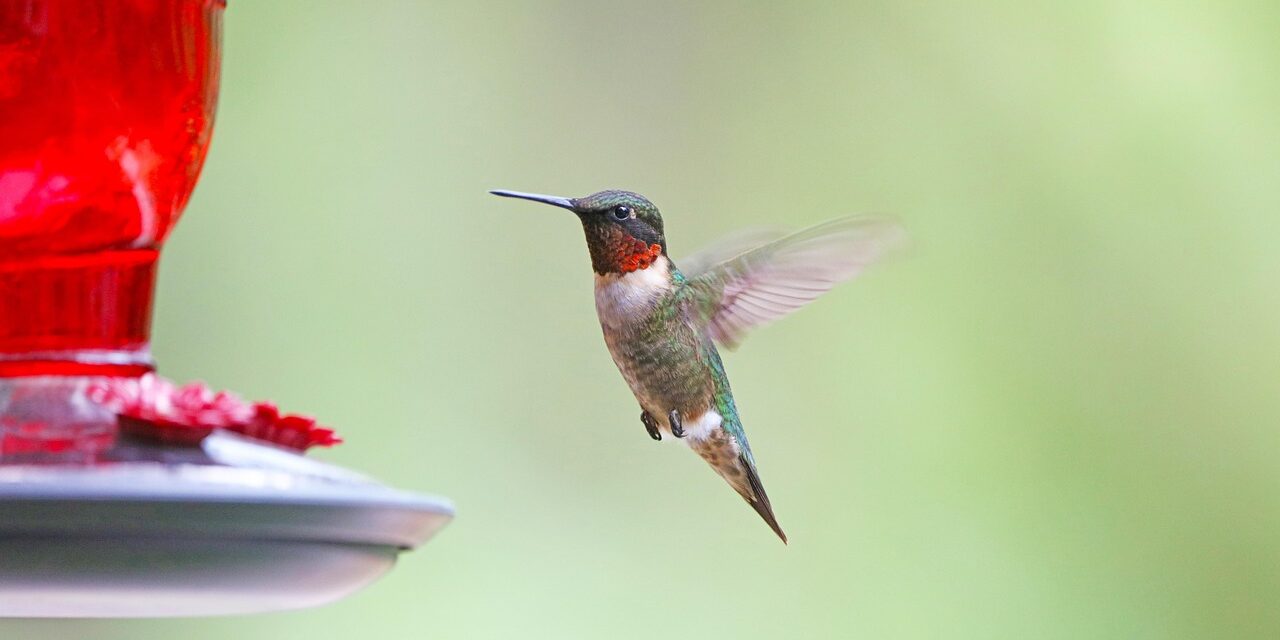
Experts emphasize that bird feeders, often a popular hobby for people looking to support local wildlife, can inadvertently contribute to viral transmission. Seed spills and droppings around feeders can create a fertile ground for the virus to linger, increasing the risk of infection among visiting birds. The Centers for Disease Control and Prevention (CDC) and the U.S. Department of Agriculture (USDA) have issued guidance urging bird enthusiasts to take precautionary measures to mitigate this risk.
Why this matters
The spread of bird flu holds significant implications for ecosystem health and poultry industries. Wild birds serve as reservoirs for the virus, and the infection can jump to domesticated birds, causing substantial economic losses for farmers. Infected domestic birds often have to be culled to prevent further outbreaks, raising concerns regarding food supply and animal welfare.
Furthermore, there is a potential public health angle; while human infections remain rare, the possibility of the virus mutating and becoming transmissible among humans is a concern among health officials. Infected individuals often exhibit flu-like symptoms, sparking fears of a broader epidemic scenario should the virus adapt to human hosts.
Broader picture
This avian influenza outbreak is indicative of a larger pattern of emerging infectious diseases that impact both animal and human populations. Factors such as climate change, habitat loss, and increased human-animal interactions are contributing to the prevalence of zoonotic diseases, those that are transmitted from animals to humans. The current situation with bird flu is a reminder of the interconnectedness of ecosystems and the potential consequences of human actions on wildlife health.
As the bird flu situation evolves, it is crucial for bird watchers and feeders to adopt recommended practices, such as cleaning feeders regularly and avoiding overcrowding. Inaction may exacerbate the spread of the virus, risking both wild bird populations and domestic flocks. The urgency to address these outbreaks highlights the need for continuous monitoring and proactive approaches to disease management within both wildlife and agricultural sectors.
In conclusion, as awareness around bird flu grows, the responsibility lies on both individuals and communities to act cautiously. The relationship between backyard feeders and disease transmission is a vital consideration for those who enjoy observing and caring for birds, and it underscores the broader implications of human stewardship over wildlife health.
Original Source: https://www.sciencedaily.com/releases/2026/08/260824065519.htm