In recent weeks, South Florida has witnessed a concerning rise in Sargassum seaweed washing ashore, with Miami’s picturesque beaches increasingly smothered by the thick, brown mats of algae. Local officials report that the stench and environmental impact are becoming more pronounced, prompting reactions from both residents and tourists alike who are facing an altered beach experience.
The latest turn
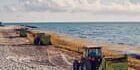
This summer has marked a notable increase in green and brown algae, with a reported volume of Sargassum 40% higher than in previous years. Miami-Dade County has mobilized crews to clear the beaches, but growing piles of seaweed have persisted despite these efforts. With tourism being a cornerstone of the local economy, the algae encroachment is raising alarms among business owners heavily dependent on coastal visitors.
Authorities have expressed concern not only for the immediate impact on tourism but also for the ecological balance in local waters. The Sargassum is now appearing earlier in the season, with experts attributing this shift to a combination of climate change, nutrient pollution, and ocean currents. Residents along the coastline are increasingly questioning whether this situation is becoming the “new normal.”
How the story got here
The surge in Sargassum is not a new phenomenon but part of a broader trend observed over the past decade. Previously considered a seasonal nuisance, the influx of algae has intensified significantly over recent years. Marine biologists have correlated the high nutrient levels in water — often resulting from agricultural runoff and pollution — as a contributing factor.
This particular species of algae thrives on nutrient-rich waters, leading to blooms that can stretch for miles across the ocean. Environmentalists have issued warnings about the detrimental effects on marine ecosystems, as decomposing seaweed can deplete oxygen levels, harming fish and other marine life.
Local governments have attempted various mitigation tactics. Last summer, beaches were closed temporarily due to high Sargassum levels, and ongoing cleaning operations arrive with hefty price tags, straining public resources further. The implications are complex, as efforts to manage the seaweed could inadvertently impact local ecosystems.
Next expected developments
Looking forward, researchers and local government agencies are exploring long-term strategies to better manage Sargassum. Discussions include potential collaborations with regional partners to track algal blooms and improve response protocols. This could involve investment in technology to predict seaweed movement and enhanced public education campaigns about coexisting with seasonal algae.
The anticipated hurricane season could further complicate the situation, altering algae patterns and potentially exacerbating beach conditions. As Miami braces for the next months, the urgency is palpable among community leaders to find solutions that prioritize both tourism and environmental health.
As this issue continues to unfold, the Miami community will likely be keenly focused on research outcomes and collaborative strategies aimed at addressing what is rapidly becoming a persistent environmental challenge.
Original Source: https://www.theguardian.com/us-news/2026/aug/18/miami-sargassum-seaweed-problem-climate-crisis