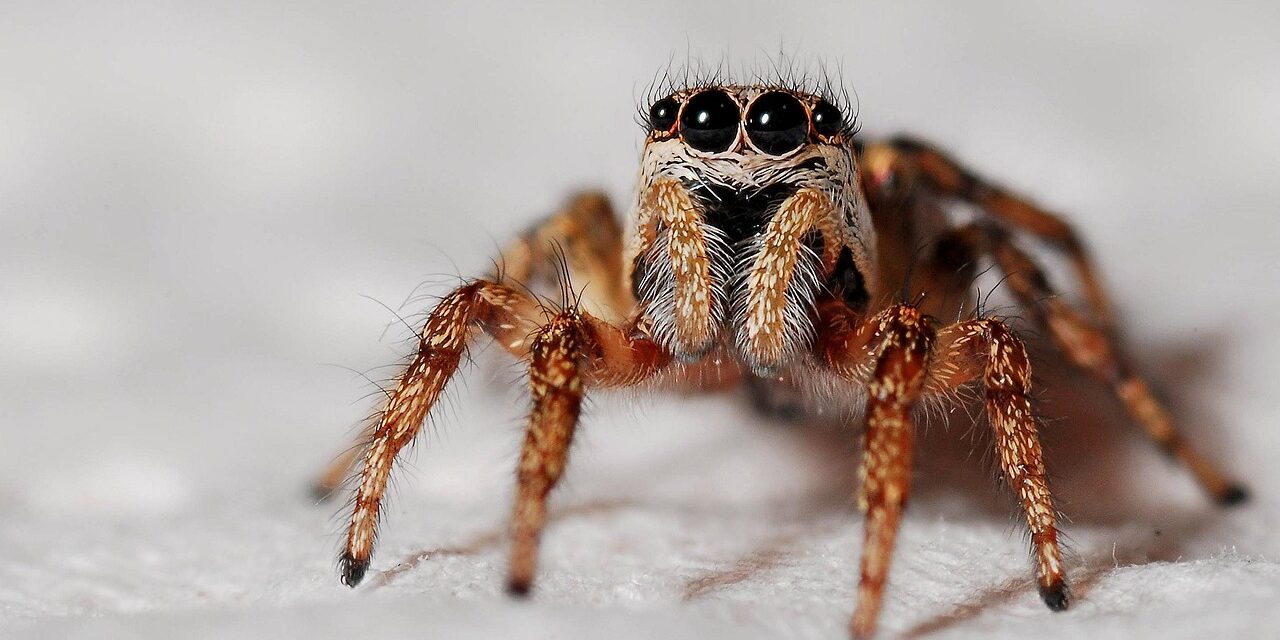
A 518-million-year-old creature, known as Hallucigenia, has provided invaluable insights into the evolutionary origins of spider fangs. This remarkable finding, detailed in a recent study, showcases how ancient species can illuminate the development of modern arachnids.
What happened
Researchers discovered fossils of Hallucigenia, a camouflaged creature with spiky appendages, in an ancient seabed which is now part of the Canadian Rockies. The unique structure of its mouth and feeding adaptations suggests a pivotal role in the evolutionary transition from simple organisms to more complex life forms.
The discovery is primarily attributed to well-preserved fossils found in the Burgess Shale, a site famed for its exceptional preservation of Cambrian-era sea life. Detailed analysis indicated that Hallucigenia had mouthparts similar to those found in modern spiders, specifically the fangs utilized for capturing prey and processing food.
This evolutionary link supports the hypothesis that the structure and function of spider fangs have deep evolutionary roots. Researchers suggest that the study not only illustrates an anatomical linkage but also implies behavioral similarities among ancient species and their modern descendants.
What it means for readers
Understanding the origins of spider fangs provides deeper context into arachnid evolution and the ecological roles they have played throughout history. For readers, this research highlights the intricate connections between ancient and modern life forms. While spiders may seem distant from their prehistoric counterparts, they share essential traits that have allowed them to thrive in various environments.
This study fortifies the intricate tree of life, illustrating a connection between creatures that lived hundreds of millions of years apart. The implications extend beyond mere curiosity; they open avenues for further research into how ancient species have shaped ecosystems and evolutionary processes leading to modern biodiversity.
What happens now
Looking forward, this discovery prompts new inquiries into other ancient species and their evolutionary significance. Researchers plan to explore additional fossil sites in hope of uncovering more clues that can trace the evolutionary lineage of various arachnids and other invertebrates. The ongoing study of Hallucigenia and similar organisms may reshape our understanding of evolutionary biology.
For the broader scientific community, these revelations challenge existing paradigms about evolutionary processes and emphasize the importance of paleontological research. As scientists continue to unravel the complexities of ancient life, the knowledge gleaned will enrich our understanding of the interconnectedness of life across epochs.
In conclusion, the study of Hallucigenia not only reveals the origins of spider fangs but also serves as a reminder of the lasting impact of our planet’s evolutionary history, enhancing our appreciation for the intricate web of life that persists to this day.
Original Source: https://www.sciencedaily.com/releases/2026/08/260803080906.htm