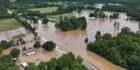
Severe flash flooding in Missouri this week has resulted in one confirmed death and the successful rescue of approximately 200 campers stranded in various state parks. The sudden onset of heavy rainfall overwhelmed local water systems, prompting emergency response efforts across the affected regions.
Key details
The National Weather Service recorded rainfall amounts exceeding eight inches in certain areas, leading to rapidly rising water levels in streams and rivers. This extreme weather event struck particularly hard in areas such as southwestern Missouri, where many campers had settled in for the weekend. Emergency responders utilized boats and helicopters to reach stranded individuals, showcasing a coordinated effort across local, state, and federal law enforcement agencies.
According to local officials, the deceased was a 58-year-old man whose vehicle was swept away by floodwaters. His tragic death underscores the immediate dangers posed by such swift natural disasters. Multiple regions were placed under flash flood warnings, and residents were urged to stay indoors as authorities began recovery operations.
Why this matters
This incident underscores the increasingly volatile weather patterns that certain regions of the United States are experiencing. Experts attribute these shifts to climate change, which is causing more intense and frequent storm events. The consequences of such weather not only disrupt local communities but also pose significant risks to life and infrastructure.
The rescue operations indicate a robust emergency response framework, but they also raise questions about preparedness and public awareness. The fact that so many campers were affected by the flooding points to the need for more comprehensive weather alert systems, particularly in popular recreational areas where large groups gather. Residents and visitors must be reminded of the inherent risks associated with outdoor activities during severe weather warnings.
Broader picture
Missouri’s recent flooding is not an isolated incident; similar weather challenges have risen across the Midwest and beyond. As climate dynamics continue to evolve, local governments are tasked with adapting infrastructure and response strategies, placing an emphasis on resilience against natural disasters. The cost of rehabilitation from such events can place significant strains on state resources and budgeting, prompting discussions about climate adaptation funding.
This event serves as a sober reminder of nature’s unpredictability and the human cost associated with it. As cities, towns, and regions grapple with how best to prepare for the next occurrence, the lessons learned from this tragedy may inform policy and emergency management strategies in the future. In the broader context, these incidents reaffirm the urgent need for a national dialogue on climate resilience and infrastructure preparedness as communities work to safeguard lives and property against an ever-changing environment.
Original Source: https://www.theguardian.com/us-news/2026/jul/12/flash-flooding-in-missouri-leaves-one-person-dead-as-200-campers-are-rescued