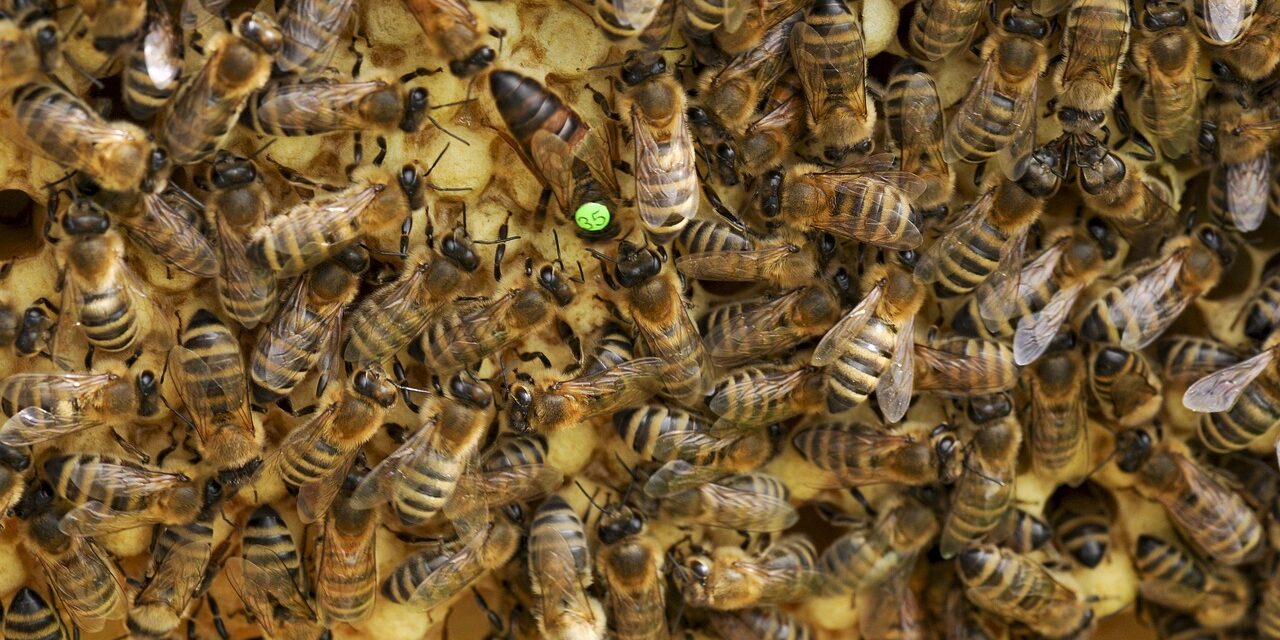
For the first time, researchers have unraveled the complex process by which queen bees are created, shedding light on an essential aspect of honeybee society. This discovery is crucial not only for beekeepers but also for anyone interested in the health of pollinators, which play a vital role in global ecosystems.
What happened
A recent study published in the journal Nature outlines the intricate biological mechanisms behind queen bee formation. Scientists from several universities collaborated to analyze the genetic and environmental factors that influence the development of queen versus worker bees. They found that the diet of bee larvae and specific genetic expressions play pivotal roles.
Queen bees are typically developed from larvae that are fed a special diet of royal jelly, a secretion produced by worker bees. This diet enables the larvae to grow into queens, while those not fed royal jelly become worker bees. The researchers also discovered that this choice of diet is influenced by a complex interplay of pheromones and hive health indicators, prompting worker bees to make decisions regarding the colony’s future.
What it means for readers
This research has broad implications for beekeepers and agricultural practices. Understanding the environmental and dietary needs of larvae can help improve breeding programs for healthier queen bees, ultimately contributing to stronger and more resilient colonies. As many bee populations face threats from habitat loss and pesticide use, insights into queen bee development can aid in conservation efforts.
Furthermore, this study underscores the importance of maintaining healthy ecosystems. It reveals how intertwined species are in nature and highlights the role of bees not just as honey producers, but as crucial pollinators for many of the crops humans rely on. The health of bee colonies can directly affect food production and biodiversity.
What happens now
With this new understanding, further research is likely to explore how different environmental conditions and nutritional factors impact queen bee development on a larger scale. Scientists may test various diets in controlled settings to identify the most effective combinations for strengthening hive populations.
Additionally, beekeepers may start implementing these findings to enhance their management practices. By tailoring larval diets and ensuring healthy hive conditions, they could optimize their breeding strategies for queen bees. As these practices spread, the hope is that they’ll lead to larger, more stable bee populations.
For the general public, this research serves as a reminder of the delicate balance within ecosystems and the significant role every species, including the humble honeybee, plays in sustaining our environment. By supporting local and sustainable agricultural practices, individuals can help protect bee populations. The future of bee colonies and the efficiency of our food systems could very well depend on the choices we make today.
Original Source: https://www.sciencedaily.com/releases/2026/06/260623083101.htm