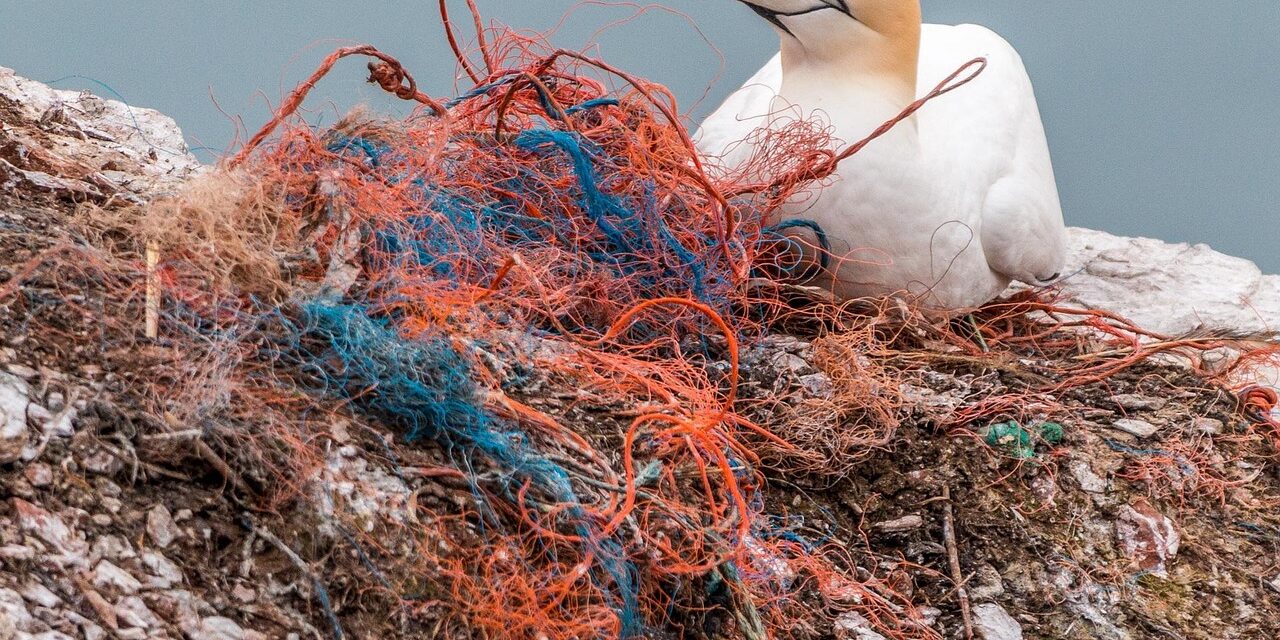
Recent studies have highlighted an alarming correlation between plastic pollution and the decline of biodiversity, revealing that more than 800 species worldwide are now at risk due to the accumulation of various plastic waste in their habitats. This revelation follows a series of international conferences aimed at addressing the global plastic crisis, bringing renewed focus to its extensive ecological consequences.
What happened
The proliferation of plastic waste in terrestrial and marine environments has reached unprecedented levels. According to a report published by the United Nations Environment Programme (UNEP), nearly 300 million tons of plastic are produced annually, with an estimated 14 million tons ending up in oceans each year. Over time, this plastic breaks down into smaller particles known as microplastics, which are easily ingested by a wide range of organisms, from plankton to whales. Recent case studies have documented microplastics in remote areas like the Arctic, further proving that no ecosystem is immune to this insidious threat.
Scientific research recently published in the journal “Marine Pollution Bulletin” explores how marine habitats, such as coral reefs and coastal ecosystems, are becoming increasingly vulnerable. Researchers found that not only do animals mistake plastic items for food, leading to malnutrition or death, but these plastics also serve as transporters for harmful chemicals and pathogens. For instance, microplastics can attract pollutants from the surrounding water, posing further risks to marine life and those who depend on these species for survival.
Why it matters
The decline in biodiversity is not merely a concern for ecological researchers; it has far-reaching implications for human health and economies. Biodiversity helps maintain ecosystem stability, and reducing the variety of species can trigger a collapse of these systems, threatening food security and sustainable resource management. The World Wildlife Fund has emphasized that the protection of habitats and biodiversity is crucial in combating climate change, as healthy ecosystems regulate the atmosphere and support agricultural productivity.
A decline in marine species, particularly fish populations that many communities rely on for sustenance, can disrupt local economies and exacerbate food scarcity. In addition, the loss of biodiversity can reduce resilience against environmental changes, making ecosystems more susceptible to invasive species and diseases. The ecological ripple effects of plastic pollution underscore the interconnectedness of global systems, prompting a re-evaluation of waste management practices worldwide.
What comes next
Looking ahead, there are several critical actions that governments, organizations, and individuals must undertake to mitigate the effects of plastic pollution on biodiversity. International cooperation is paramount; discussions at the next United Nations Environment Assembly will continue to focus on establishing global plastic pollution treaties aimed at reducing production and consumption of single-use plastics. Meanwhile, grassroots movements are gaining momentum, demanding better recycling practices and increased awareness about plastic use.
Technology also offers promising solutions, from biodegradable alternatives to advanced recycling methods. As public sentiment shifts toward sustainability, the immediate outlook suggests a renewed urgency in tackling plastic pollution. Awareness campaigns and legislative initiatives will likely intensify, aiming to protect vulnerable ecosystems and their inhabitants. The challenge remains substantial, but the tide of public consciousness is beginning to rise against plastic pollution, heralding a potential turning point for global biodiversity.
Original Source: https://www.nature.com/articles/s44358-026-00170-0