Latest developments
The New South Wales Department of Primary Industries and Regional Development (DPIRD) has completed the installation of the Ballina Offshore Artificial Reef, marking a significant step in marine management and enhancement of local fisheries. The reef was deployed approximately two kilometres off the coastal town of Ballina, an area known for its rich aquatic life and popular fishing spots.
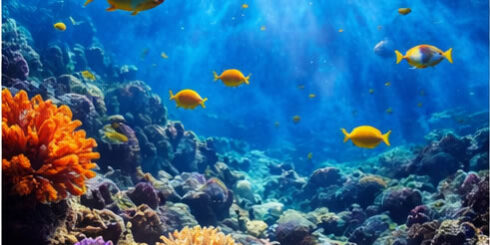
This initiative is part of a broader strategy by the New South Wales government to boost biodiversity and support local fish populations. The installation aims not only to create new habitats for marine species but also to enhance recreational fishing opportunities for the local community and visitors alike. According to DPIRD officials, preliminary surveys have shown promising potential for marine life to effectively colonise the newly constructed reef.
Background and context
The concept of artificial reefs is not new, as they have been utilized globally to mimic natural underwater habitats. They can significantly improve marine biodiversity by providing shelter and breeding grounds for fish. In New South Wales, the government has progressively recognised the importance of such initiatives, particularly in regions with decreasing fish populations and habitat degradation due to human activities.
Ballina has long been a focal point for fishing and marine tourism, attracting angling enthusiasts who flock to its waters for sport and sustenance. However, years of fishing pressure combined with environmental factors have led to concerns about the sustainability of local marine life. The decision to construct an artificial reef in this area was driven by scientific research indicating that such structures could rejuvenate fish stocks, improve habitat complexity, and ultimately sustain the local fishing economy.
In previous years, community consultations were conducted to ensure local interests were represented in the planning and implementation of the reef. Fishermen, conservationists, and marine biologists contributed insights that shaped the project, aiming for an environmentally sound outcome benefiting multiple stakeholders.
What to watch next
Moving forward, DPIRD has outlined a series of monitoring initiatives to assess the health and productivity of the new artificial reef. This includes regular underwater surveys to evaluate fish populations and the overall ecological impact of the structure. Stakeholders and the local community will also play an essential role in data collection, which will inform future sustainability strategies and adaptive management practices.
The success of the Ballina Offshore Artificial Reef will be closely observed not only for its immediate effects on local fish stocks but also as a template for future marine projects throughout New South Wales. The hope is that this installation could spur further investment in artificial reef technologies across the region, contributing to a more sustainable and resilient marine ecosystem in an era of increasing climate pressures.
As the reef begins to establish itself and the marine life returns, residents and visitors alike will be watching keenly to see how this new habitat transforms the underwater landscape off Ballina’s coast, potentially revitalising the area’s fishing culture and marine biodiversity.