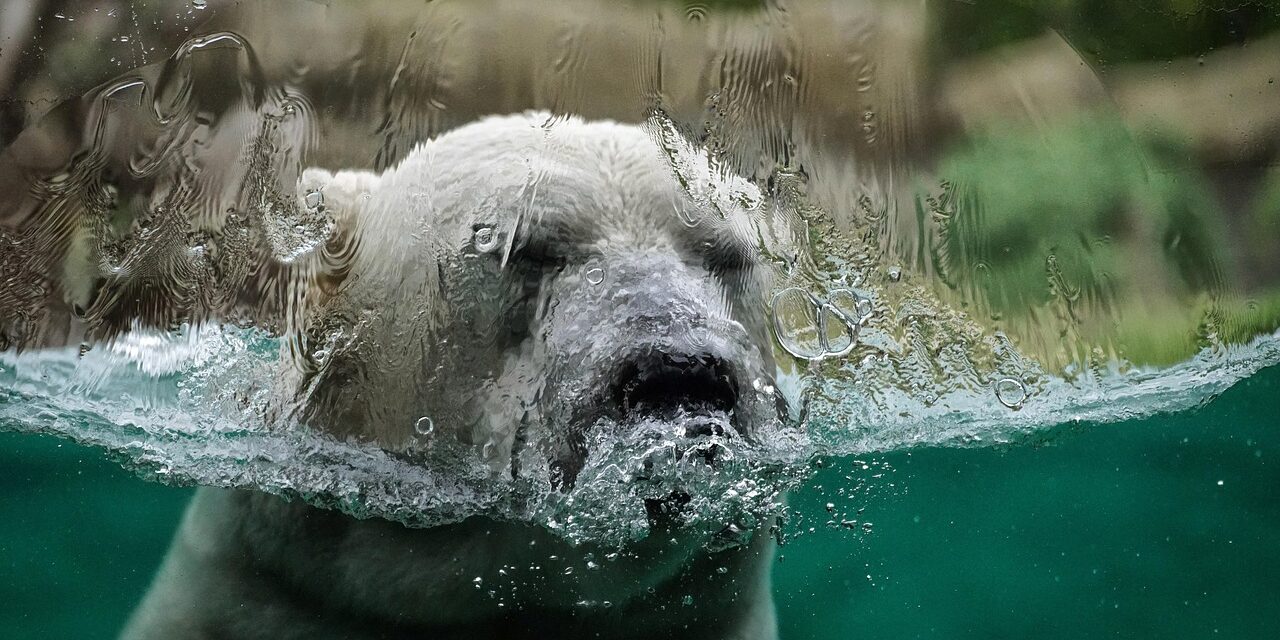
Recent studies have underscored how unique polar processes are intensifying marine heatwaves in the Arctic, fundamentally altering its marine ecosystems. As researchers publish findings that link rising ocean temperatures to specific climatic and oceanographic conditions native to polar environments, concerns about the long-term implications for Arctic biodiversity and global weather patterns are escalating.
What happened
Marine heatwaves, defined as prolonged temperature anomalies in ocean waters, have been on the rise, with the Arctic experiencing some of the most extreme episodes. A study published this month highlights how local oceanographic conditions, such as stratification and sea ice melt, are uniquely contributing to these heatwaves. Unlike lower latitudes, where warm water can be mixed with cooler currents, the Arctic’s isolation leads to distinct temperature profiles. As sea ice diminishes due to climate change, more heat is absorbed by the ocean, creating a feedback loop that exacerbates warming.
Why it matters
The ramifications of these heatwaves extend far beyond the Arctic. From melting ice caps to altered fish migratory patterns, the rising temperatures disrupt traditional ecosystems. Species like the Arctic cod are experiencing shifts in habitat, while polar bears and walruses are being forced to adapt to new feeding patterns. Moreover, the influx of warmer water has implications for global ocean currents, potentially affecting weather systems in far-off regions. The changing conditions highlight a crucial intersection between local and global ecological dynamics, as the Arctic is often seen as a bellwether for climate change effects worldwide.
What comes next
As scientists continue to monitor the situation, experts emphasize the need for further research into the specific mechanisms driving these polar heatwaves. Future studies aim to identify patterns that could predict upcoming temperature anomalies, offering a crucial tool for conservation efforts. Policymakers are urged to consider these findings, as well, to formulate strategies that mitigate the impacts of marine heatwaves on both local wildlife and global weather stability. The pressing question remains whether the international community will take coordinated action to address the drivers of climate change and protect these vulnerable ecosystems.
Original Source: https://www.nature.com/articles/s43247-026-03735-1