What happened
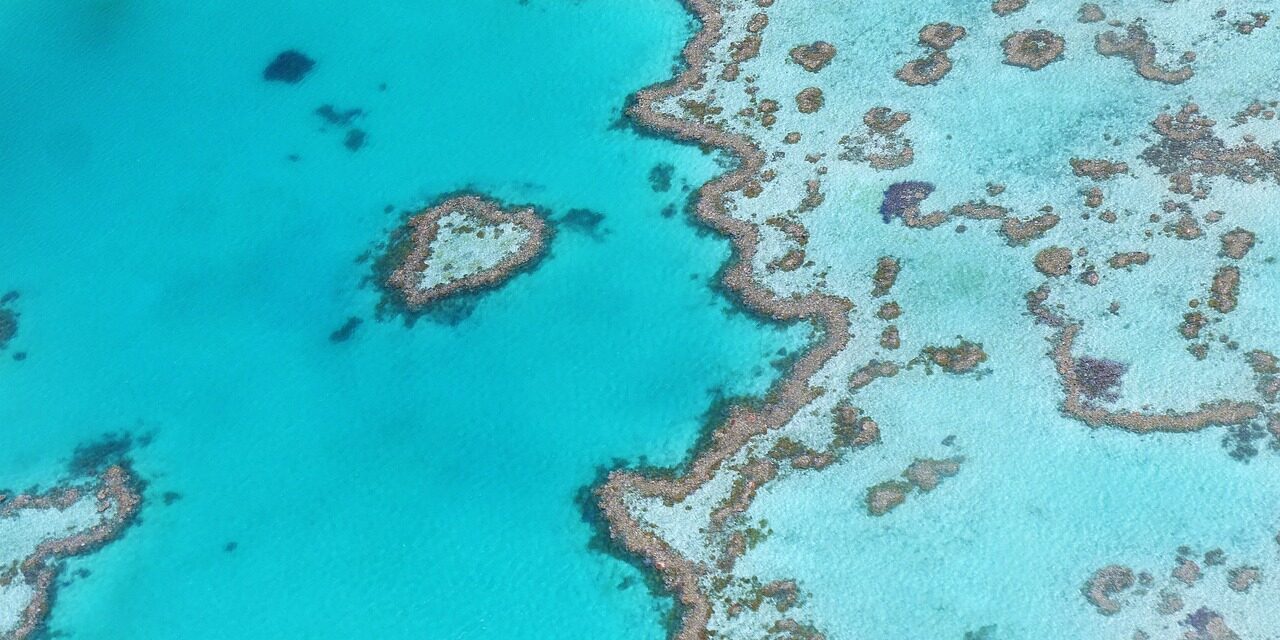
The Australian federal government has announced a significant investment of $91.8 million to aid in the protection and restoration of the Great Barrier Reef. This funding is part of the government’s ongoing commitment to address the challenges posed by climate change and local pollution, both of which have contributed to the reef’s declining health. The allocation was revealed in the recent federal budget, signaling an urgent response to the environmental crisis threatening one of the world’s largest coral ecosystems.
The funds will support a range of initiatives aimed at bolstering reef resilience, including water quality improvement projects, coral monitoring programs, and measures to enhance biodiversity in nearby coastal areas. The government has emphasized the importance of scientific research in informing these initiatives, underscoring the need for data-driven approaches to conservation.
What it means for readers
For residents and stakeholders within the reef’s surrounding communities, this boost in funding represents both hope and opportunity. Local businesses, particularly those in tourism, could benefit from a healthier reef ecosystem that attracts visitors and sustains marine life. Furthermore, the investment may create jobs related to conservation, research, and tourism activities connected to the reef.
In a broader sense, the funding reflects a growing recognition of the importance of environmental stewardship. Readers should note that while this commitment is a positive step towards protecting the Great Barrier Reef, the challenges remain substantial. Issues such as climate change, overfishing, and coastal development continue to put pressure on marine ecosystems.
For individuals concerned about environmental issues, this funding underscores the significance of active governmental engagement in conservation efforts. It may inspire further advocacy for protection measures in other threatened natural resources across Australia and globally.
What happens now
The implementation of the funding will involve a coordinated approach among various government agencies, research institutions, and local communities. The Australian government is set to outline its action plan within the next few months, detailing how the money will be allocated and the specific projects that will be prioritized.
Project managers, scientists, and stakeholders will need to collaborate closely to ensure efficient utilization of the funds, while also monitoring the outcomes to assess effectiveness. Transparency in how the funds are used will be crucial to maintain public trust and support for ongoing conservation efforts.
The success of this initiative will likely hinge not only on the actions taken with this funding but also on the government’s commitment to long-term strategies. Readers should remain engaged with updates regarding this investment and consider how they can contribute to or participate in local conservation efforts.
In summary, while the $91.8 million investment in the Great Barrier Reef offers a significant boost in environmental efforts, it represents only a portion of the solution needed to tackle the challenges facing this iconic ecosystem. The long-term health of the reef will depend on sustained commitment and comprehensive action across multiple fronts.