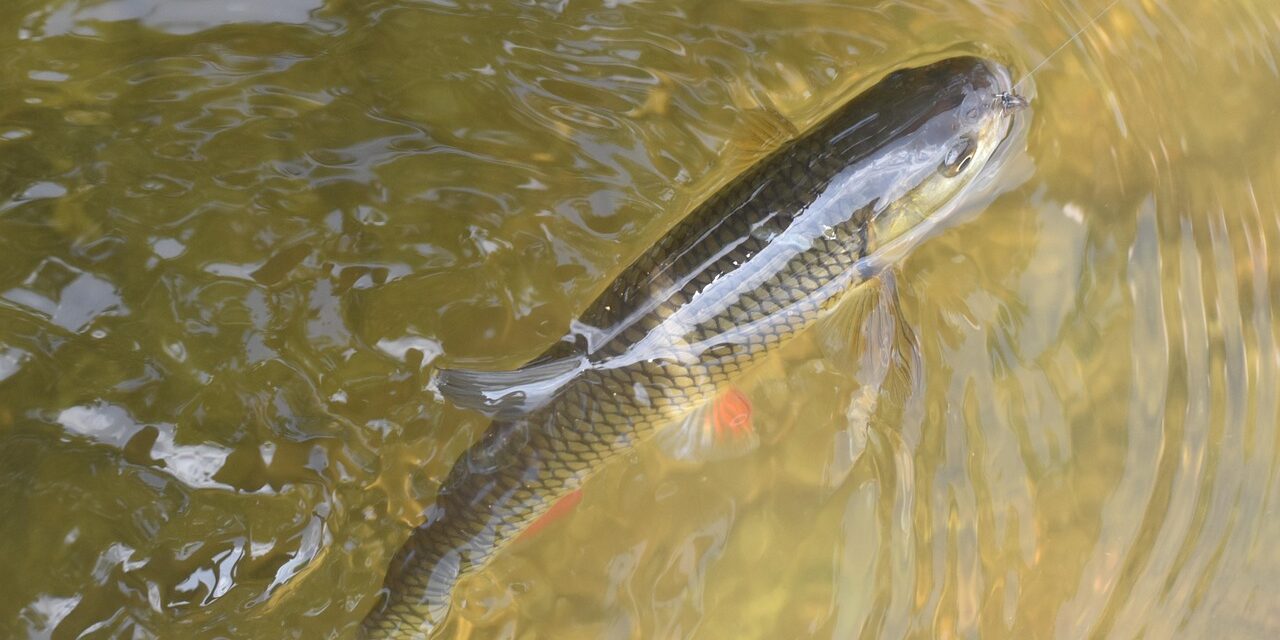
New fishing regulations are now in effect as of May 1, 2026, aimed at promoting sustainable practices and preserving aquatic ecosystems. These changes, implemented by various federal and state authorities, come in the wake of growing concerns over fish populations and habitat degradation.
Latest developments
The recent updates introduce stricter limits on the size and quantity of certain fish species that can be caught, particularly those most vulnerable to overfishing. For instance, anglers are now required to release all game fish that are below the newly established minimum size limits. Additionally, bag limits have been adjusted to ensure that populations can regenerate effectively. The new regulations also encompass seasonal restrictions that prohibit fishing in designated zones during specific times of the year to protect spawning habitats.
The regulations also enhance monitoring measures, mandating the use of technology such as electronic reporting systems for recreational and commercial fishers. These measures are intended to improve compliance and provide data that can inform future management strategies. State and federal agencies are expected to collaborate more closely to ensure enforcement and adherence to these new guidelines.
Background and context
The impetus for these regulatory changes stems from scientific studies indicating alarming declines in various fish species due to overfishing and habitat loss. According to recent reports from marine biologists and ecologists, certain fisheries have reached a critical point where without immediate action, long-term sustainability is at risk. Stakeholders, including conservationists and fishing communities, have voiced their concerns and advocated for reform.
In the past decade, numerous campaigns have highlighted the impact of unregulated fishing practices, prompting public demand for legislative changes. The fishing industry, while crucial for local economies, has been scrutinized for practices that threaten ecological balance. As such, the dialogue around fishing regulations has evolved to prioritize not only the rights of anglers but also the well-being of marine populations.
What to watch next
As these new regulations unfold, stakeholders will be observing the impact on both fish populations and local fishing communities. Analysts predict that the initial adjustment period may lead to some economic strain for commercial fishers as they adapt to new limits and practices. However, if implemented effectively, these regulations could result in healthier ecosystems and, ultimately, a more sustainable fishing industry.
Future developments to monitor include potential adjustments in the regulations based on ongoing ecological assessments. If certain species show signs of recovery, it is possible that regulations could be eased in specific cases. Conversely, if overfishing persists, further restrictions could be put in place. Public response, particularly from the recreational fishing community, will also play a significant role in shaping the implementation and longevity of these measures.
In conclusion, the changes, effective May 1, 2026, reflect a growing consensus on the need for sustainable fishing practices, balancing ecological considerations with the economic realities of fishing communities. As these amendments take root, their effectiveness in achieving their intended goals will be closely monitored by all stakeholders involved.