What happened
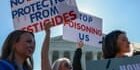
The U.S. Supreme Court is deliberating on whether to block lawsuits against Bayer AG, the manufacturer of the glyphosate-based weedkiller Roundup. Plaintiffs allege that exposure to Roundup is linked to non-Hodgkin lymphoma, a type of cancer, leading to thousands of ongoing litigation cases nationwide. The court’s decision could set a significant precedent, potentially shielding chemicals like glyphosate from legal challenges based on similar health claims.
What it means for readers
The Supreme Court’s ruling has far-reaching implications for consumers and agricultural workers who use glyphosate-based products. If the court allows the lawsuits to proceed, it could enable more individuals to seek compensation for alleged health issues linked to Roundup. Conversely, a ruling in favor of Bayer may reinforce the company’s position against consumer lawsuits, raising concerns about the accountability of agricultural chemicals in relation to public health.
This case also underscores a larger discussion about regulatory approval processes for pesticides and herbicides. Consumers and farmers may find themselves questioning the safety of widely used products, while advocates for agricultural safety hope for stronger oversight and more transparent health risk assessments.
What happens now
The Supreme Court’s decision is expected to come within the next few months, after hearing arguments from both sides on the implications of allowing or blocking these lawsuits. The ruling will influence not only the ongoing cases against Bayer but may also affect future litigation related to other chemicals used in agriculture. Observers anticipate that this case could lead to changes in how companies approach legal defenses concerning health claims linked to their products.
For consumers, it is essential to stay informed about the outcomes of this case, as it may change the legal landscape surrounding glyphosate and similar products. Individuals who have concerns about their health related to glyphosate exposure are encouraged to consult with medical professionals and monitor developments in this critical legal proceeding.
Original Source: https://www.theguardian.com/us-news/2026/apr/27/supreme-court-pesticides-case