Key details
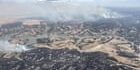
Recent record-breaking wildfires across the western United States have devastated cattle ranching territories, resulting in extensive loss of grazing land and detrimental impacts on the livestock industry. The wildfires, exacerbated by prolonged drought and high temperatures, have burned millions of acres in states such as California, Oregon, and Montana, leading to an unprecedented crisis in cattle production.
According to federal sources, approximately 70% of the cattle grazing land in some regions has been affected, leaving many ranchers facing financial ruin. The destruction has forced cattle owners to either sell their herds or search for alternative grazing areas, often at a significant distance from their homes. The outcome is not just an immediate financial impact but also a looming food supply crisis that could ripple across the nation.
Why this matters
The implications of these wildfires reach far beyond the immediate losses in cattle and land. The cattle industry plays a crucial role in the broader agricultural economy of the United States, contributing approximately $75 billion annually. Disruptions in this sector can lead to increased beef prices, ultimately affecting consumers at the grocery store.
Moreover, livestock ranchers often serve as stewards of vast landscapes, managing ecosystems in ways that support biodiversity and carbon sequestration. The destruction of these environments raises concerns about long-term ecological impacts. The loss of grasslands and forested areas not only influences wildlife habitats but also affects carbon capture, contributing further to climate change.
Broader picture
The fires have prompted discussions about climate change, land management strategies, and agricultural policies at both state and federal levels. As weather patterns become increasingly unpredictable, ranchers and agricultural planners are being urged to rethink traditional practices. Implementing more sustainable land management techniques could be key in mitigating the risks associated with future wildfires.
This year’s devastation could catalyze a reevaluation of fire prevention measures, including controlled burns and enhanced forest management, which have been historically underfunded. Such shifts could help in not just preventing wildfires but also in protecting the livelihoods that depend on these lands.
In conclusion, the intertwining crises of wildfires and their profound impacts on the cattle ranching economy unveil a critical need for systemic change. As ranchers struggle to adapt to these altered landscapes, the urgency for legislative support and adaptive management strategies grows. Without proactive measures, what remains could be nothing but tree skeletons and an irrevocably altered agricultural landscape.
Original Source: https://www.theguardian.com/world/2026/apr/14/wildfire-cattle-ranchers-american-great-plains