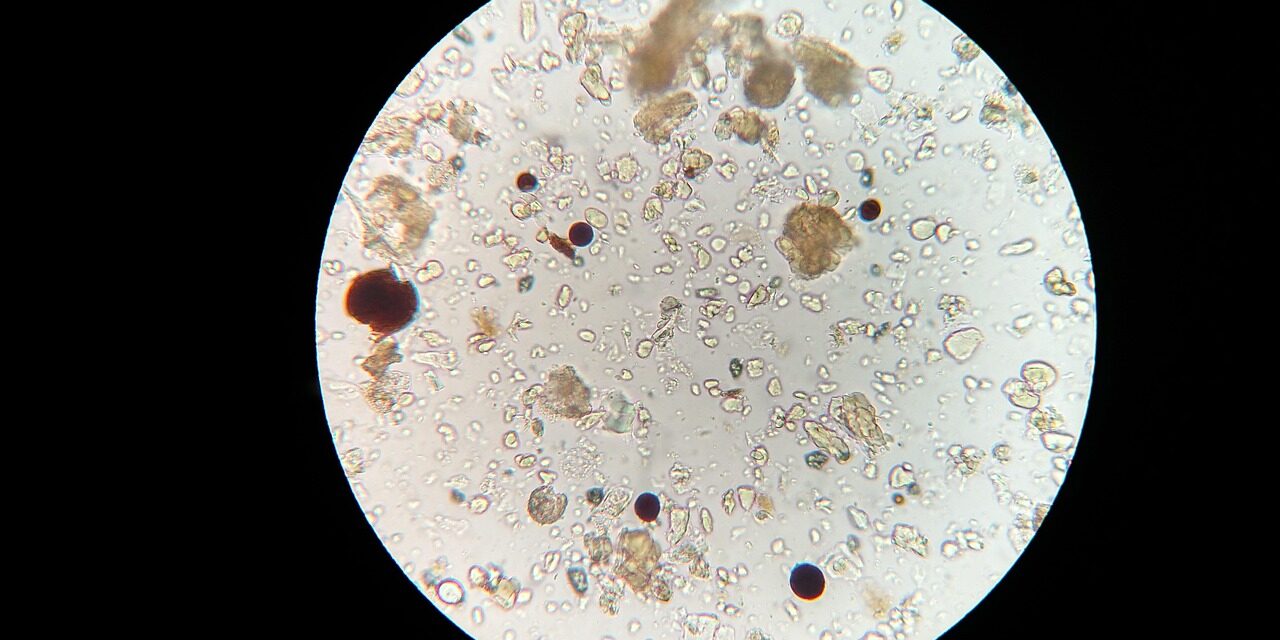
The possibility of life on Mars has taken an intriguing twist with recent findings that tiny cells have survived extreme conditions resembling those on the Red Planet. Researchers announced that microscopic organisms endured shock waves and toxic soil, reigniting discussions about the viability of life beyond Earth.
The latest turn
In a groundbreaking experiment conducted by a team of astrobiologists, bacterial spores were subjected to conditions mimicking the harsh environment of Mars. These conditions included intense shock wave exposure designed to simulate the impacts from meteorite strikes, along with exposure to high levels of perchlorate, a chemical compound otherwise known to inhibit biological function.
Remarkably, some of the bacterial spores not only survived but also demonstrated the capacity to reactivate and reproduce after being returned to a more hospitable environment. This resilience raises significant questions about how life might exist or previously existed on Mars, particularly in subsurface layers that might provide protection from surface conditions.
How the story got here
The search for extraterrestrial life has intensified in recent years, fueled by advancements in space exploration technology and a better understanding of life in extreme conditions on Earth. Missions to Mars, such as NASA’s Perseverance rover and the upcoming Artemis program, are designed to uncover clues about the planet’s past and present potential for life.
Scientists have long theorized that life, if it existed on Mars, could be remarkably resilient. This recent experiment adds to a growing body of evidence suggesting that microbial life could indeed survive the planet’s harsh environment, potentially dormant for billions of years but capable of revival under the right conditions. Past missions have detected organic compounds and seasonal changes in methane levels, further supporting theories that life may have once thrived on the planet.
Next expected developments
As the implications of these findings sink in, researchers are preparing for further experiments to build on this momentum. Future studies aim to explore the survival limits of different microbial life forms and investigate whether similar organisms could survive on other celestial bodies, such as Europa or Enceladus, which harbor subsurface oceans.
The next major milestone for Mars exploration will come with NASA’s upcoming Mars Sample Return mission set to launch in the coming years. This mission aims to collect soil samples and bring them back to Earth for comprehensive analysis. The results could provide deeper insights into the planet’s habitability and further our understanding of whether life ever existed there.
As buzz grows around these discoveries, the astrobiology community watches closely for new revelations that could redefine humanity’s place in the cosmos. The possibility that some form of life can endure in the most extreme conditions may not only reshape our understanding of Mars but also spark new interest in the search for life elsewhere in the universe.
Original Source: https://www.sciencedaily.com/releases/2026/04/260411022033.htm