The latest turn
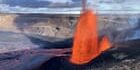
In a dramatic resurgence, Hawaii’s Kilauea volcano erupted early this morning, sending lava cascading from the summit crater and quickly filling the adjacent Halemaʻumaʻu crater. This eruption marks the latest phase of activity from the volcano, which had been relatively quiet following its last significant eruption that concluded in December 2020.
The U.S. Geological Survey (USGS) confirmed that the latest eruption began around 2:28 AM local time, accompanied by the formation of a vibrant lava lake. Seismic activity preceding the eruption suggested rising magma and updated alert levels indicated an increased likelihood of eruptions.
How the story got here
Kilauea has long captivated scientists and visitors alike with its frequent eruptions, which provide insight into volcanic activity. The most notable eruption prior to this was in 2018, when Kilauea unleashed a devastating lava flow that destroyed hundreds of homes and reshaped the landscape of Hawaii’s Big Island.
Following calmer periods, including an eruption-free phase from late 2019 to early 2020, Kilauea began to stir again. The volcano erupted continuously from September 2020 until December 2020, marking a prolonged period of lava activity that bolstered the lava lake once more. Since then, intermittent seismic activity has suggested that the volcano remained restless, sparking anticipation of eventual eruptions.
In the weeks leading up to today’s events, increased earthquakes and ground deformation hinted that magma was on the move. Residents were put on alert as the Geological Survey tracked these indicators, heightening awareness of the potential for renewed eruptions.
Next expected developments
As lava flows from the latest eruption continue, officials are closely monitoring the situation, maintaining a Balance between public safety and ongoing research opportunities. Residents are urged to stay cautious but hopeful, as past eruptions have also drawn thousands of tourists eager to witness nature’s raw power.
Looking ahead, experts suggest that the activity at Kilauea could persist for weeks or even months, providing a window for further study of volcanic processes. The USGS plans to issue regular updates on monitoring efforts and safety advisories for those in the vicinity, ensuring the community remains informed as this evolving story unfolds. The focus now shifts to the potential impact of the ongoing eruption, along with its historical significance in the context of Hawaiian geology.
Original Source: https://www.theguardian.com/us-news/2026/apr/09/hawaii-kilauea-volcano-eruption