Key details
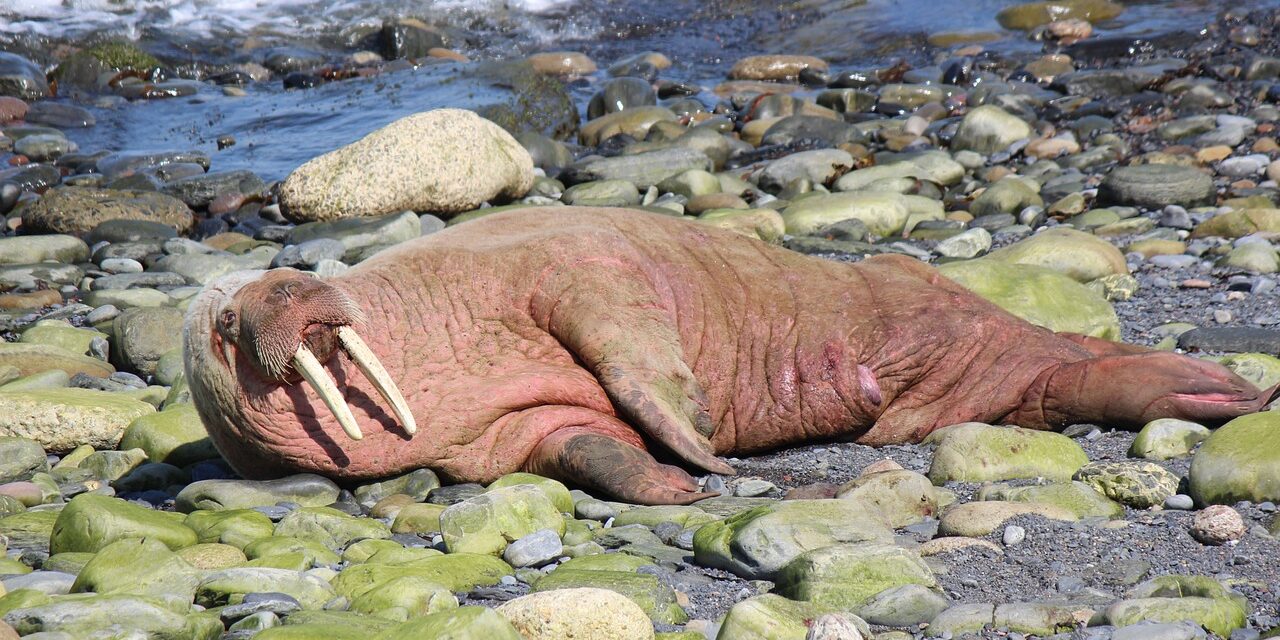
Recent research has unveiled a comprehensive dataset cataloging the terrestrial haul-out sites of Atlantic walruses across their distribution range. Conducted by a team of marine biologists, this study provides valuable insight into the environmental and ecological factors influencing these essential habitats. The dataset compiles decades of observational data from various regions including Canada, Greenland, Russia, and Norway, where these marine mammals rely on land to rest, breed, and nurse their young.
Walruses prefer land-based sites, often choosing to haul out on ice floes or coastal areas. The new findings indicate the geographical preferences of walruses in relation to climate variations and ice conditions, offering a clearer picture of their habitat use. The research has been published in a peer-reviewed journal, reinforcing its credibility and broad relevance to environmental science and marine biology.
Why this matters
Understanding the distribution of walrus haul-out sites is critical for several reasons, particularly in the context of climate change. As ice melts due to rising global temperatures, walruses are increasingly forced to adapt their behaviors and habitats. This dataset serves as a crucial reference for assessing how these changes affect walrus populations and their ecosystems.
Conservation efforts can benefit significantly from this information; targeted initiatives can be developed to protect identified haul-out sites, which are fundamental to the survival of the species. With such pressures from environmental change and human activities, safeguarding these habitats could prove vital in maintaining walrus populations.
Furthermore, knowledge of these haul-out locations can enhance our understanding of the broader Arctic ecosystem. Walruses play a key role in marine food webs, and their health is indicative of wider ecological trends. As apex consumers, shifts in their behavior or population dynamics may signal changes in lower trophic levels, providing essential insights for wildlife management.
Broader picture
The Atlantic walrus is emblematic of the challenges facing Arctic wildlife amid escalating climate change. The new dataset not only augments our understanding of walrus ecology but also acts as a lens through which we can examine broader environmental changes occurring across the Arctic.
Conservationists, researchers, and policymakers alike can leverage this dataset to inform climate adaptation strategies, ensuring that critical habitats are preserved as conditions continue to evolve. Moreover, with increasing human activities in the Arctic, such as shipping, oil drilling, and tourism, understanding walrus haul-out sites can prevent potential conflicts and guide responsible management practices.
In summary, while the dataset provides vital information for walrus conservation, it also underscores the urgent need for a proactive approach towards marine wildlife protections in a warming world. As natural habitats continue to be affected by climate change, resources like this dataset could be essential tools in mitigating adverse impacts on both walruses and the broader Arctic ecosystem.
Original Source: https://www.nature.com/articles/s41597-026-07210-6