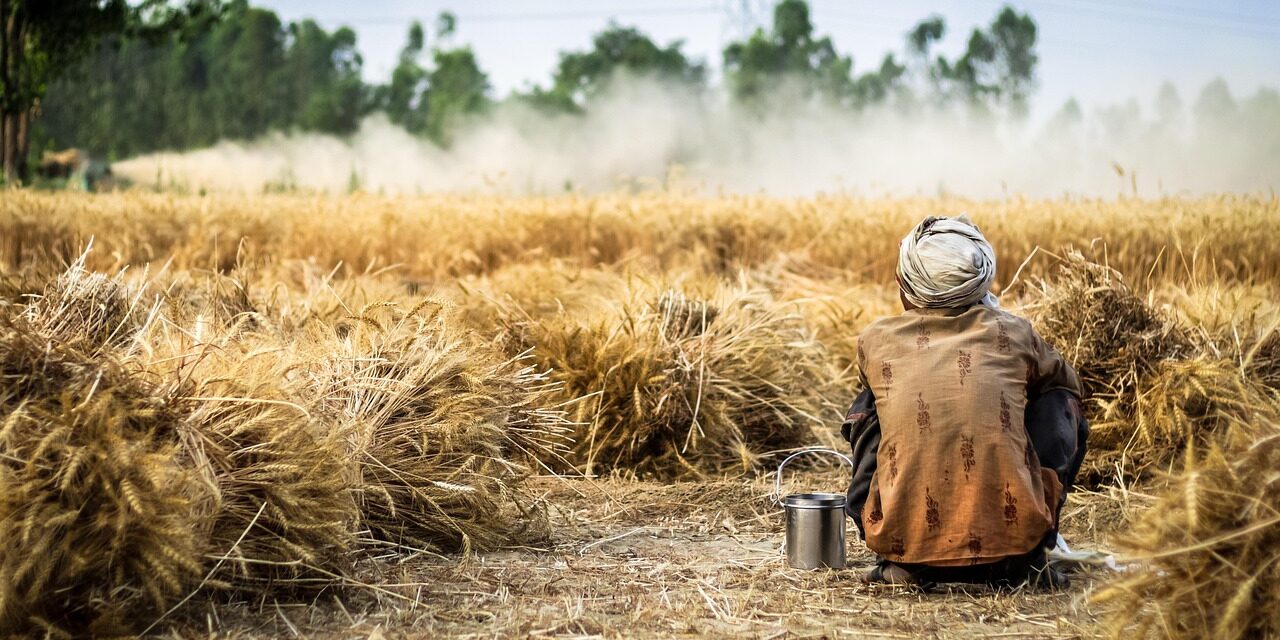
Recent studies have revealed that early agricultural practices led to the inadvertent creation of a strain of wheat exhibiting aggressive growth patterns and resilience, often dubbed “warrior” wheat. Researchers highlighted that ancient farming techniques, particularly selective sowing and cross-breeding, may have unintentionally favored traits that promote competitiveness and dominance over other plant species.
What happened
The intriguing findings stemmed from an archaeological exploration combined with genetic analysis of ancient grain samples unearthed in the Fertile Crescent, the cradle of agriculture. Experts examined DNA from wheat varieties dating back thousands of years, uncovering evolutionary adaptations that allowed certain strains to thrive in various environments. This process, while beneficial for crop yields, also resulted in traits that could be considered aggressive, effectively allowing these wheat varieties to outcompete local flora and potentially disrupt ecosystems.
By analyzing both the genetic markers and the physical attributes of the fossils, scientists noted that this warrior wheat demonstrates an unusual ability to grow rapidly and produce more seeds than competing plants. This growth pattern may have been advantageous for early farmers looking to maximize their harvest but raises alarms regarding its ecological impacts.
Why it matters
The implications of this discovery extend beyond historical agriculture. Understanding how ancient farmers shaped crop genetics can provide valuable insights into modern agricultural practices and sustainability. As current farming grapples with challenges like climate change and resource scarcity, piecing together how indigenous practices fostered certain crop traits can guide future innovations in crop cultivation.
Moreover, the traits associated with warrior wheat raise concerns about biodiversity. While these wheat strains may have led to increased yields in the past, their competitive nature poses risks to a balanced ecosystem. This mirrors contemporary issues where monocultures dominate the agricultural landscape, resulting in diminished plant diversity and vulnerability to disease and pests.
What comes next
As researchers continue to explore the implications of this warrior wheat phenomenon, the next steps will focus on integrating historical knowledge with modern agricultural applications. Scientists aim to develop strategies that can harness the resilience of such aggressive strains while mitigating negative ecological consequences. This includes finding a balance that allows for higher crop yields without further jeopardizing biodiversity.
In addition, experts are calling for further interdisciplinary studies that can bridge archaeology, genetics, and ecology to yield a comprehensive understanding of the impacts of ancient agricultural practices. As discussions unfold, key stakeholders in agriculture, environmental policy, and restoration ecology will need to engage in dialogue about best practices moving forward.
The future of farming may well depend on lessons learned from these ancient practices. As the industry looks to adapt to contemporary challenges, monitoring how these unexpected insights impact agricultural policies and practices will be crucial in promoting sustainable food production while preserving ecological integrity.
Original Source: https://www.sciencedaily.com/releases/2026/04/260407193923.htm