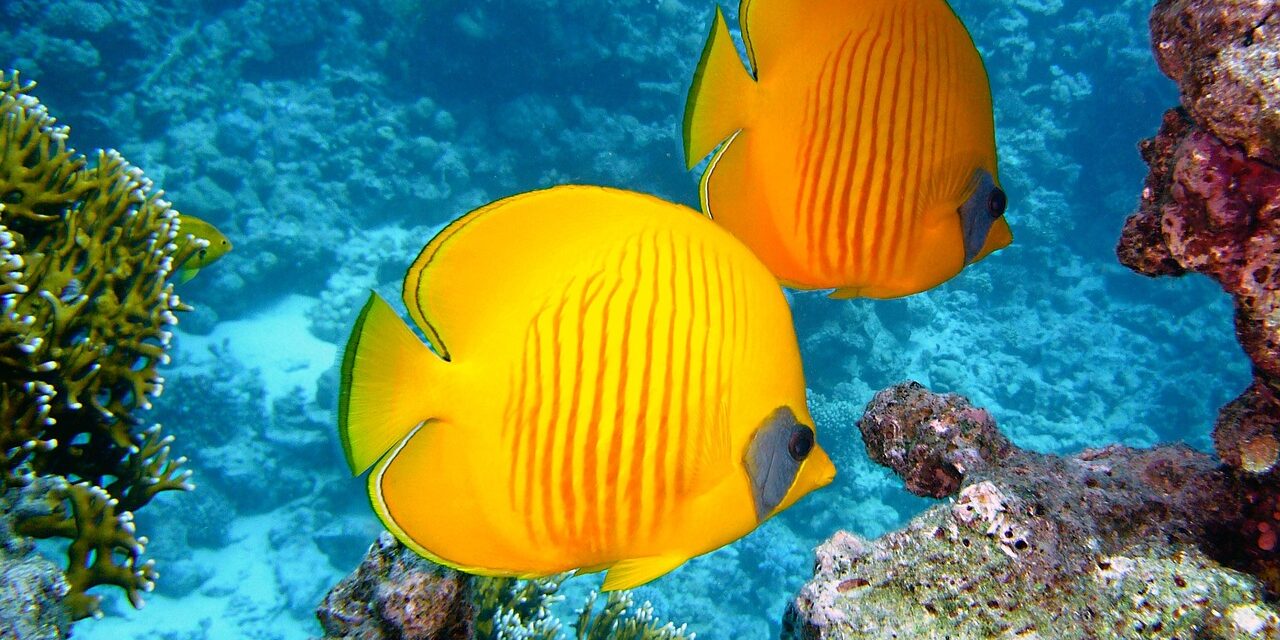
In a global ecosystem increasingly threatened by environmental shifts, the world’s coral reefs assert their resilience and importance. Despite the daunting challenges of climate change, pollution, and overfishing, many imperiled reefs continue to survive — underlining their critical role in the 21st century.
Coral reefs, often eloquently termed as the “rainforests of the sea,” occupy less than 0.1% of the ocean’s area but host about 25% of the world’s marine species. This is a testament to their unparalleled biodiversity, which aids in the sustenance of our planet’s waters. They serve as nurseries for a myriad of marine species, thereby facilitating life in our oceans in a profound way.
A recent report, ‘Outlooks 4′, published by the United Nations Environment Programme (UNEP), highlights the spectrum of threats faced by these ecosystems. Global warming, ocean acidification, overfishing, and plastic pollution are listed among the predominant factors. Despite these challenges, researchers reveal a persistent existence of healthy coral reefs in certain regions of the globe.
Reefs in Australia’s Great Barrier Reef, the Maldives, Cuba, and more remote areas like the Seychelles and Palau continue to remain vital. These areas give us reason for optimism — showcasing how resilience, along with effective conservation efforts, can foster the longevity of these complex and biodiverse ecosystems.
Scientists attribute this survival to the reefs’ inherent resilience, coupled with local conservation efforts. Encouragingly, efforts like sustainable fishing, coral transplantation, and managed coastal development are offering an environment conducive to their persistence.
Indeed, the Great Barrier Reef, despite being declared dead by several media outlets only years ago, shows sparkles of recovery. In May 2021, scientists discovered a 1,640-foot-tall coral reef in the region — taller than the Empire State Building — lifting marine biologists’ spirits globally.
Dr. Tom Bridge, a reef scientist from the ARC Centre of Excellence for Coral Reef Studies in Australia, played a pivotal role in this discovery. He emphasized the importance of these findings, saying, “From a scientific perspective, the discovery of these towering reefs in the Great Barrier Reef marine park is so fundamental. It shows us that there are structures within the park that we didn’t know existed.”
Other local efforts, including moves by the Seychelles government to designate 30% of its waters as marine protected areas are also making headway. Such methods protect coral reefs from destructive fishing practices, seafloor mining, and other direct human activities.
Meanwhile, the world is witnessing an increasing trend of coral restoration projects. These involve the cultivation of corals in nurseries and their subsequent transplantation onto degraded reefs. These efforts are proving pivotal in reviving the ailing ecosystems and ensuring their persistence into the 21st century.
Some critics, however, argue that these efforts could prove futile if climate change continues unchecked. Corals are particularly vulnerable to rising ocean temperatures and acid levels caused by increased atmospheric carbon dioxide. Hence, alongside local efforts, the urgent need to address climate change remains paramount.
Despite the shadows of uncertainty, the survival of these reefs – and the staggering biodiversity they support – hangs in balance. However, their resilience and continued existence in the face of ongoing threats present a glimmer of hope and assert their pertinence in the 21st century.
The future of coral reefs is irrevocably linked with our own. Their loss implies not only a catastrophic blow to biodiversity but also threatens the livelihoods of half a billion people globally and the protection of our coastlines. Thereby, their perseverance is a testament to nature’s tenacity and man’s ability to bring about positive change.
Indeed, this resilience is an emblematic representation of our need to persist in the face of formidable environmental challenges. As we tread further into the 21st century, the coral reefs stand as resilient guardians of biodiversity – a beacon of hope and a clarion call for collective action towards sustainable planet stewardship.
Original Source: https://www.nature.com/articles/s43017-026-00764-4