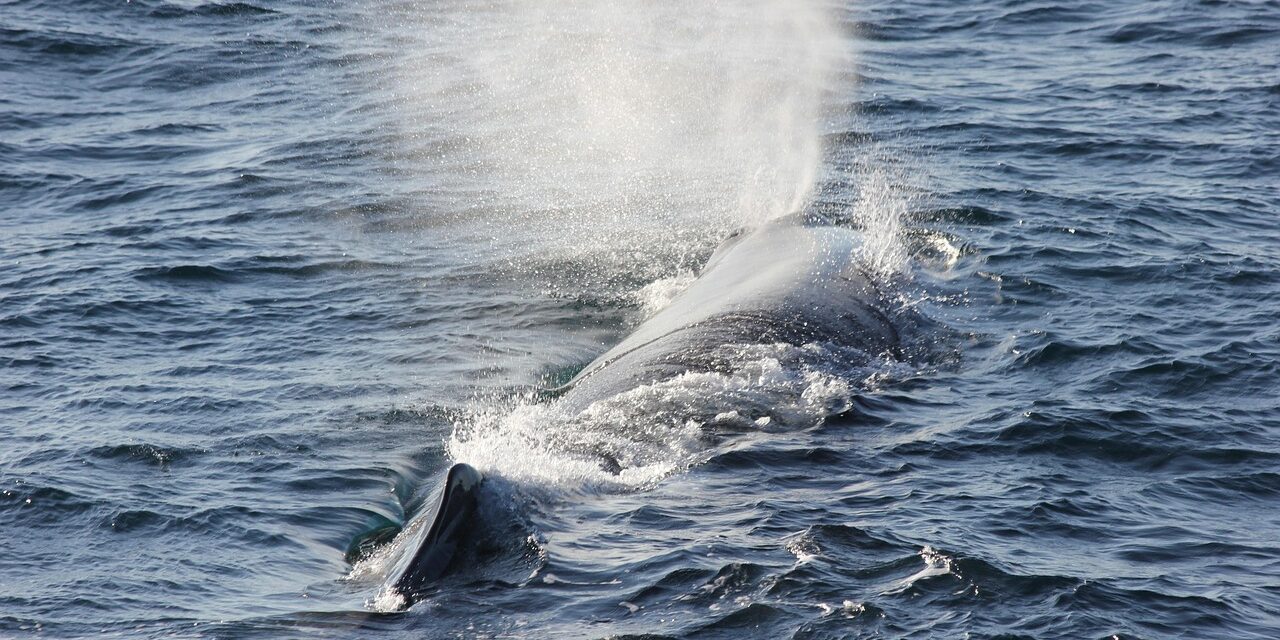
In a remarkable discovery straight out of a science fiction movie, scientists have unearthed a termite species with an uncanny resemblance to a miniature sperm whale. This unusual find is not only perplexing but it also offers fascinating insights into biodiversity and new twist in termites’ evolution.
The termite in question, named ‘Archotermopsis khamensis’, was discovered in the jungles of Laos by a collaborative team of scientists from the Natural History Museum of London, Stanford, and Harvard. This peculiar termite’s anatomy, specifically its bloated head shape, bears a striking similarity to that of a tiny sperm whale. Insiders from the scientific community suggest that such a surreal discovery could fuel new areas of research in the fascinating world of termites.
Dr. Courtenay Phillips, the chief investigator of the project, discussed the significance of the discovery. “They look quite distinct from the usual termites we’ve studied so far,” she shared. “The most intriguing part of the study yet is the strange sperm whale-like head. It opens up new areas for us to explore regarding their feeding habits, survival strategies, and their overall biology.”
These insects are famously known for their social behaviour and expansive colonies. Most termite species appear similar in their physical features, making this whale-like creature a rare oddity. This newfound fascination has sparked excitement within the scientific circles, as it stands to redefine the previously held understanding of termite evolution.
Upon delving deeper into the termite’s genetic profile, scientists discovered unique genetic markers that set it apart from its other termite relatives. The researchers are particularly interested in exploring whether these genetic traits could be the source of this termite’s distinctive morphological attributes.
The unheralded discovery has ignited a flurry of online interest and excitement, with an influx of articles and discussions across various platforms. Social media platforms such as Twitter and Reddit have been abuzz with users sharing images, speculating about the termite’s lifestyle and playfully thinking of suitable names for the newly uncovered species. The blending of science and pop culture in such instances only goes to show the far-reaching implications of novel discoveries.
However, it is not just the general public who are interested. Fellow scientists from around the globe congratulated the research team on their find. “This discovery rocks the foundation of our perceived knowledge,” tweeted Dr. Oliver James, an evolutionary biologist in Australia.
Yet some in the scientific community have expressed skepticism regarding the premature excitement generated by this discovery. Dr. Elaine Nascimento, a termite specialist from Brazil, wrote, “While the findings are indeed significant, we need more data before drawing definitive conclusions about its behaviour and role in the ecosystem. Further research is needed to truly understand the full extent of this discovery.”
The discovery of this fascinating termite has put the spotlight on the importance of biodiversity exploration, illuminating the immense and untapped potential of global biospheres. As scientists continue to probe into the biology of this sperm whale-like termite, the world’s eyes are eagerly waiting for more revelations about this enigmatic species.
The Archotermopsis khamensis may initially have been celebrated for its bizarre appearance, but it could be its potential to reshape the scientific understanding of termites that makes it truly remarkable. This unusual insect stands as a testament to the wonders of evolution and the exciting unknowns that still lay unexplored in the world of science.
Original Source: https://www.sciencedaily.com/releases/2026/04/260401071943.htm