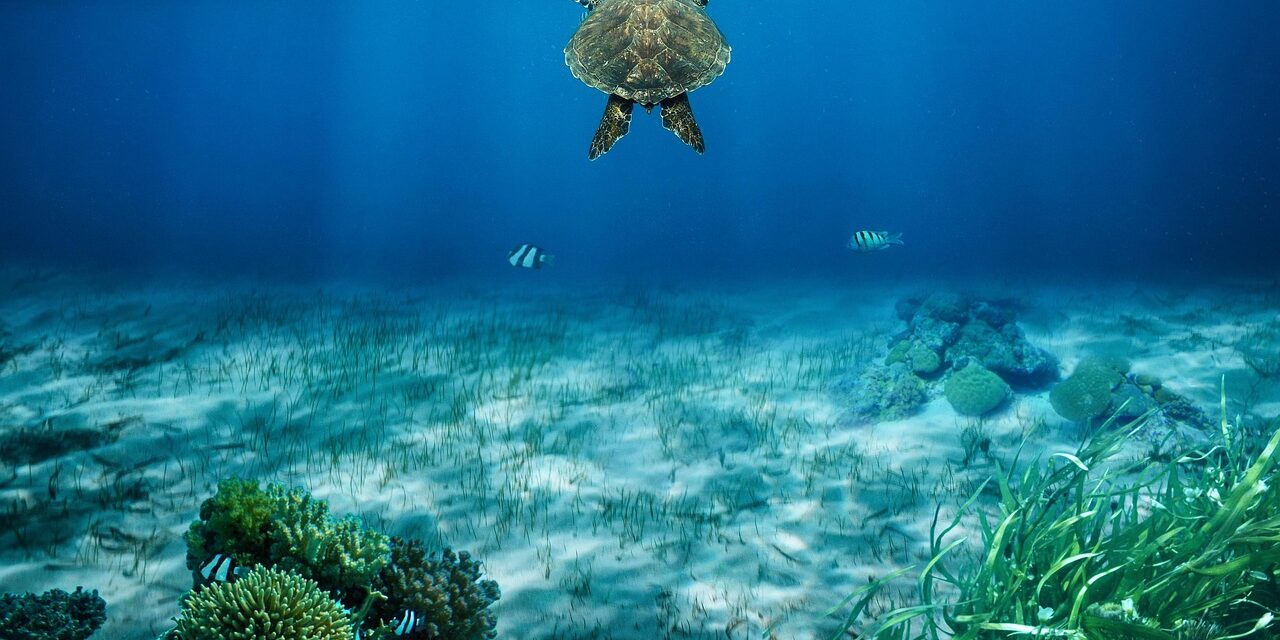
There is a burgeoning interest in understanding the biochemical implications for the future of marine ecosystems. Marine ecosystems, which span almost 71% of the planet, serve as an important extension of life-support. They foster a rich variety of flora and fauna, from single-celled algae to colossal blue whales, and provide the much-needed oxygen which humans and animals rely on for survival.
However, with rapidly changing climatic conditions and consistent exploitation of oceans for resources, marine life experiences an alarming level of distress. The recent online coverage indicates a rapidly deteriorating health of the marine ecosystem, underlining the highly significant role of biochemical processes in this condition’s dynamics and future prospects.
According to studies by marine scientists, global warming has led to a substantial increase in ocean temperatures, thus prompting a series of biochemical processes that threaten the balance of these ecosystems. The ripple effect causes significant alterations in the oxygen and carbon cycle, key biochemical counterparts of marine life.
Larger marine animals like fish and crustaceans rely on dissolved oxygen, which they extract from the water through their gills to survive. In a phenomenon known as ocean and coastal deoxygenation, the increasing ocean temperatures lead to reduced oxygen levels. The situation is aggravated further by higher nutrient runoff from agriculture and urban waste, which accelerates algal blooms, draining available oxygen and leading to ‘dead zones’ void of marine life.
Carbon cycle disruption, another pertinent issue, stems largely from anthropogenic activities, specifically CO2 emissions. The excess CO2 absorbed by the ocean leads to ocean acidification, a biochemical process where the pH levels of the ocean drop, making the environment hostile for calcium-dependent marine life such as corals, oysters, and lobsters. The decreasing pH levels also affect the ability of marine plants to photosynthesize, disrupting another essential biochemical process.
Reports further show that the cosmetics, agriculture, and aquaculture industries, among others, have recently intensified their extraction of marine bioresources, in particular, microalgae and marine bacteria. These organisms have beneficial applications, such as producing bioactive compounds in pharmaceutical, cosmetic, and biofuels industries. However, this unmanaged extraction is unsettling the marine ecosystem’s natural balance and impacting its biodiversity negatively.
Implementing biochemical solutions could offer a plausible approach in mitigating some of these issues since they play an essential role in shaping the marine ecosystem’s future. A growing body of scientific work focuses on leveraging the bio-cleaning abilities of marine microorganisms to remove toxins from waste dumped into the oceans. These organisms repurpose biochemical energy derived from contaminants to sustain their metabolic activities.
Other researchers are directing their efforts to explore the therapeutic potential of bioactive marine compounds. These compounds could be synthesized in labs, reducing the need to directly harvest from marine ecosystems, hence contributing to their preservation.
The exponential increase in information about marine biochemistry has provided a foundational understanding, and intensive research is continuously expanding the current boundaries of the field. However, there exists a significant gap that needs bridging – the translation of this invaluable knowledge into implementing effective conservation measures, policies, and legal frameworks to support sustainable marine life.
Conclusively, marine ecosystems are complex, multifaceted systems whose existence and sustainability hinge on a delicate balance of its biochemical processes. Future challenges witness the continued exploitation of these ecosystems and their exposure to anthropogenic activities. However, a reverse in this condition’s trajectory is possible if concerted efforts focusing on the marine ecosystem’s biochemical understanding are intentionally geared towards preservation and rejuvenation. This stance, if adopted, creates a promising outlook for the future of marine ecosystems.
Original Source: https://www.nature.com/articles/s41558-026-02590-4