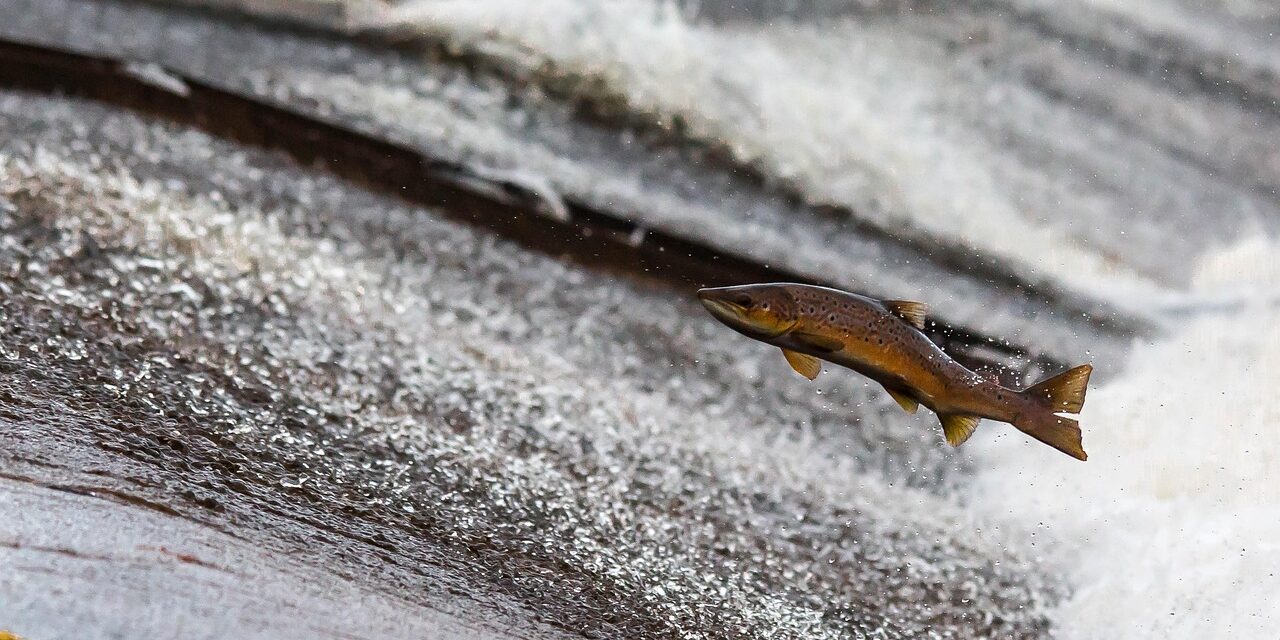
According to a recent comprehensive biodiversity study, freshwater fish around the globe have witnessed an alarming drop in numbers, with populations plunging by 81% over the last 50 years. The report sheds light on the critical challenges that freshwater fish face amidst dire ecological collapse of their habitats.
The Living Planet Index, designed to track the state of global biodiversity, has reported the grim news that freshwater fish are experiencing an unprecedented drop as their migratory patterns collapse. The index, run by the Zoological Society of London (ZSL) and the World Wildlife Fund (WWF), has been monitoring over 10,000 wildlife populations across multiple species, but the situation with freshwater fish is of significant concern.
Freshwater fish represent a substantial fraction of the world’s biodiversity – there are more freshwater fish species than birds, mammals, reptiles, and amphibians combined. Moreover, freshwater fish play a critical role in global food security, providing a primary source of protein and income for millions of people worldwide.
These species inhabit essential ecosystems such as rivers, lakes, and wetlands, which are currently under severe threat from pollution, overfishing, climate change, and habitat destruction. The collapse of migratory patterns is rooted primarily in the impact of dams and other disruptive infrastructural elements obstructing riverine migration routes.
Dr. David Tickner, Chief advisor of freshwater policy at the WWF, stated that freshwater fish populations’ decline is an indicator of the health of rivers worldwide. Tickner warns, “If we lose these species, we lose not only the ecosystems they inhabit but the promise of sustainable fishing livelihoods.”
The consequences of this decline stretch beyond environmental loss as socio-economic hardships are attached to sustainable fishing livelihoods. The report estimates that around 60 million people around the globe depend on freshwater fisheries for their livelihoods. An additional 200 million people obtain a significant portion of their protein intake from fresh water fish. Thus, the ongoing crisis threatens global food security at a large scale, in addition to contributing to the loss of biodiversity.
Recently, a landmark scientific study revealed that almost a third of all freshwater species are threatened with extinction. This rate is even higher among migratory freshwater fish, with nearly half facing the extinction crisis.
The 2020 UN’s biodiversity report has indicated that no substantial global progress has been made in achieving a significant reduction in the rate of biodiversity loss. Moreover, none of the 20 biodiversity goals set a decade ago have been fully met.
The enormity of the freshwater fish crisis report challenges the current global investment focus. Commenting on the issue, Jeremy Wade, a renowned freshwater angler, and biologists stated, “We readily invest billions in space exploration, but it seems we aren’t willing to venture into our own rivers and lakes.”
Many environmentalists are now calling for urgent, global action to conserve and restore freshwater habitats, and consequently, their biodiversity. A coalition of over 100 conservation groups has recently launched the World’s First Global Freshwater Biodiversity Atlas. This resource aims to accelerate awareness and conservation efforts for freshwater species.
The devastating plunge in freshwater fish numbers paints a stark picture of the deteriorating biodiversity on our planet. To reverse this potentially catastrophic trend, the restoration of freshwater habitats, coupled with sustainable fishing practices, should become a global priority. Unquestionably, the health of our planet, international food security, and livelihoods hinge on prompt attention to this crisis.
Original Source: https://www.sciencedaily.com/releases/2026/03/260326064157.htm