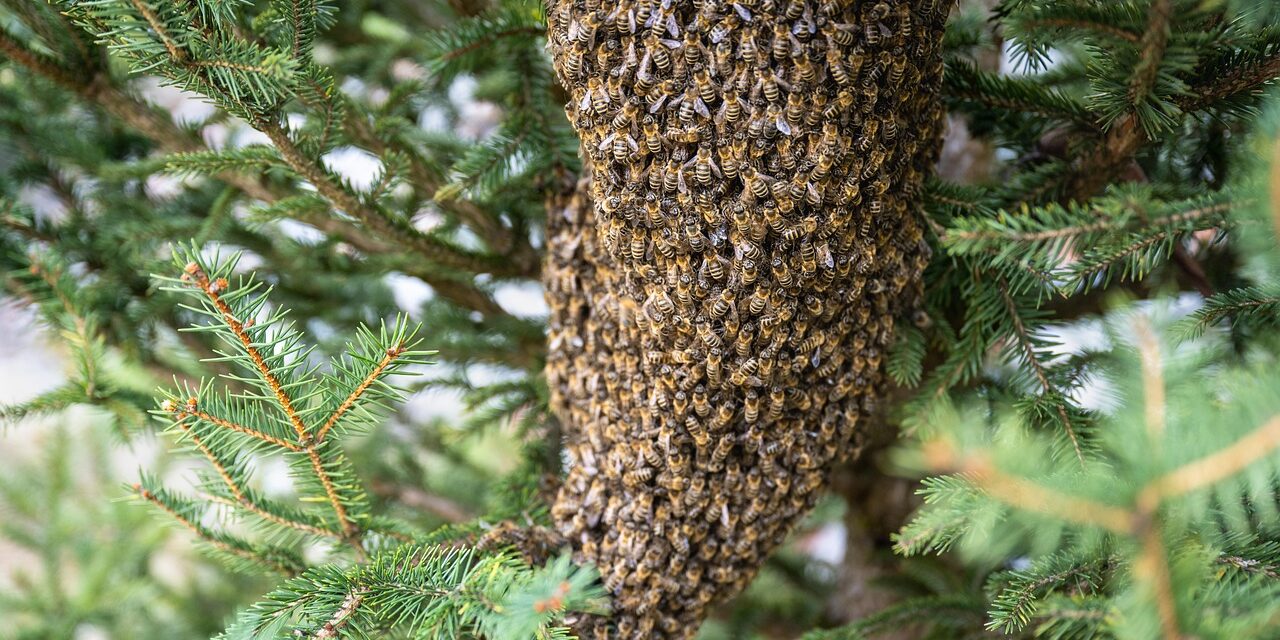
The global bee population, a pivotal part of our ecosystem, may have a new lease on life. Researchers have identified particular nutrients that were deficient in their diet, leading to their dwindling numbers. Once implemented, these nutrients resulted in a staggering 1500% boost in colony growth, according to a study published last week.
This crucial research comes amidst increasing fears around declining bee populations worldwide. Known as Colony Collapse Disorder (CCD), the mysterious vanishing of honeybees in the millions has been a serious concern for scientists and environmentalists over the last few years. Bees play a vital role in pollinating 75% of the fruits, vegetables, and nuts we consume daily, making them integral to human life, according to the US Department of Agriculture.
As per recent reports, the ground-breaking study, led by a team of researchers from institutions across several countries, found that bees thrive and reproduce more effectively when given a diet containing certain essential nutrients that were previously missing.
Clear results were demonstrated when colonies fed with these specific nutrients increased in number up to 15-fold. The nutrients encompass a selection of minerals, vitamins, and essential fatty acids that seem to promote bee health and reproductive potential.
“We’ve always known that bees need a varied diet of certain nutrients. However, we didn’t understand how important some of these were,” says the study’s lead author, Dr. Maria Chen. “We’ve tracked colonies that consumed the ‘restorative diet’ we created and the difference is phenomenal. The bee colonies are more robust and productive.”
Preliminary effects of this new diet have been noticed with a significant increase in the number of pupae and brood cells. Both are primary indicators of a healthy and growing bee colony.
The upturn in the bee population indicates a direct impact on the broader ecosystem and human alimentation, raising hopes amongst scientists and conservationists. It offers a desperately needed solution to the baffling issue that could have had disastrous effects on food crops owing to lack of pollination.
While the consequences of the findings are undeniably major, they aren’t the complete answer to the issue of declining bee populations. Other factors like pesticides, climate change, invasive species, poor bee management, and habitat loss are still major concerns.
“The surge in bee colonies is indeed heartening, but we have a long way to go. We need to address other contributing factors as well,” cautions Dr. Chen. “The saving grace here is that it gives us a grasp we didn’t have before, a tangible way to assist the colonies directly.”
Beekeepers worldwide are eagerly looking ahead, with hope to implement these findings on a large scale. Introducing these essential nutrients to bee colonies globally could surely help aid the fight against CCD. If proper measures are taken, the world may be buzzed with the returning hum of healthy bees.
This discovery has restored faith in the global community, offering a promising direction for further investigations and the formulation of policies promoting bee health. As the struggle continues to save not just the bees, but the world’s fragile ecosystem, the news is welcome indeed.
The article underscores the significance of continued research and strategic action in preserving our crucial bee populations. It propels us a step closer to understanding the intricate connection between nutrition and survival, which extends beyond the world of bees into global ecological stability.
Every step that brings us closer to saving the bees, boosts our chances of preserving biodiversity and ensuring ongoing agricultural productivity. The burgeoning bee colonies, attributed to the marked nourishment, are essentially microcosmic symbolizations of potential global transformations.
Original Source: https://www.sciencedaily.com/releases/2026/03/260327000518.htm