In the heart of Costa Rica, a crisis is unfolding that ties together composting efforts, racoons, and sea turtle predation in a surprising ecosystem conflict.
Costa Rica, acclaimed worldwide for its extensive biodiversity and its unyielding commitment to environmental preservation, is now grappling with a unique ecological crisis involving racoons, compost heaps, and sea turtles. Composting, a generally eco-friendly practice aimed at reducing waste and improving soil health, has unintentionally led to a dramatic rise in sea turtle predation by racoons and is now a major cause of concern for the nation’s wildlife conservationists.
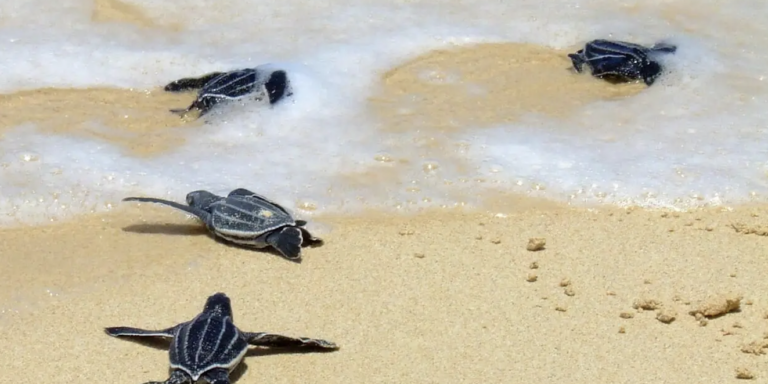
Costa Rica is a haven for endangered sea turtles, boasting key nesting sites for four different species – the Leatherback, Loggerhead, Green, and Hawksbill. These turtles, however, face an escalating threat from racoons, which find en easy buffet in their unprotected nests and unhatched eggs.
Recent studies have revealed an abnormal rise in the racoon population in these nesting areas, demonstrating a direct link between the proliferation of compost heaps in nearby human settlements and the increased sea turtle predation. It seems discarded food waste, comparatively abundant and easy pickings for these clever, adaptive creatures, gives them a survival edge and is fostering their population expansion.
Conservationists argue that households failing to secure their compost heaps, which are often teeming with kitchen waste like fruits, vegetables, and eggshells, have inadvertently created a feeding frenzy for local racoons. In turn, racoons’ strengthened and growing numbers are putting an increasing pressure on sea turtle populations by eating eggs from the nests and attacking hatching turtles.
Dr. Laura Diaz, an ecological expert in Costa Rica says, “Composting is an amazing concept, helping both soil fertility and waste management, but it becomes problematic when it inadvertently leads to instances such as these where it’s contributing to the threat faced by creatures on the verge of extinction.”
The racoon-sea turtle interaction is significantly pronounced on beaches near dense human population, and especially along Costa Rica’s Pacific Coast like the Nicoya Peninsula and Guanacaste Province, which are primary sea turtle nesting areas. Data shows the presence of racoons can cause up to 90% loss of the eggs in a single nest, an exceedingly high rate interrupted only by human interventions, such as encouraging locals to be responsible with their organic waste and reinforcing the defenses around sea turtle nests.
“Costa Ricans are known for their ‘Pura Vida’ attitude, respect for the environment, and contributions to global sustainability,” Diaz continues, “Who knew that a practice that’s generally labelled green was fostering this kind of environmental damage? But now that we know, it’s time to turn it around.”
To counter this, experts and government officials are initiating educational programs to inform citizens on the correct methods of composting, creating awareness about the need to secure compost bins to deter racoons, and engaging residents in local sea turtle protection initiatives. Programs like “Composting with Caution” and “Protect the Nest” are gaining momentum and yielding promising early results.
The magnitude of the problem also requires global attention, especially considering that sea turtles play a crucial role in maintaining the health of the world’s oceans. It’s a call for every individual, organization, or country involved in composting efforts to understand the potential side effects of their actions on local flora and fauna.
Through due diligence with composting methods and proactive sea turtle conservation, Costa Ricans are hopeful that they can restore the delicate balance between these two species in their rich biodiversity landscape. The wider world, too, stands to learn an important lesson from this ecological quandary – that no environmental endeavor, however green at the outset, is immune to unintended consequences.
Original Source: https://news.mongabay.com/short-article/2026/03/compost-racoons-and-sea-turtle-predation-in-costa-rica/